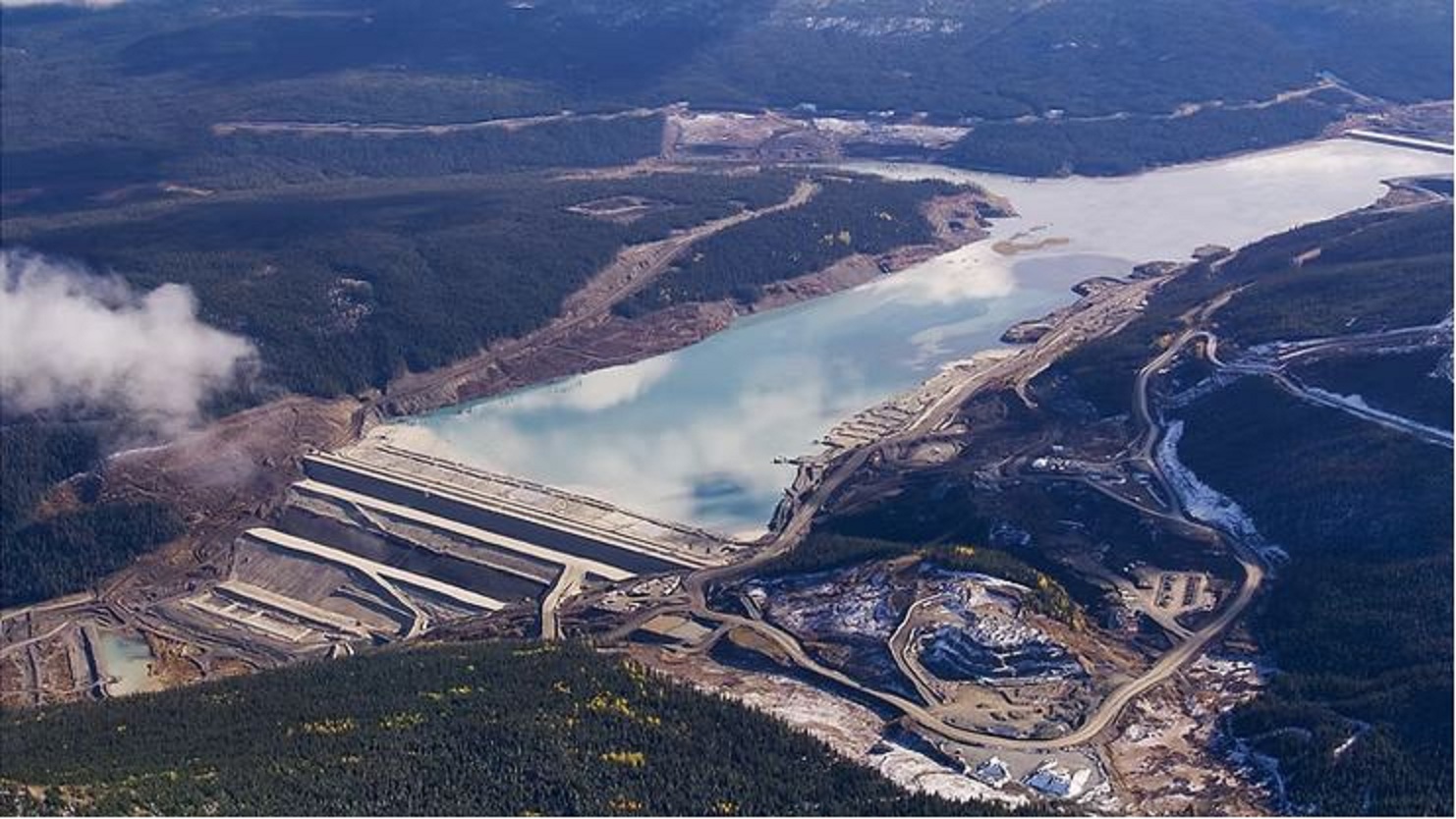
VANCOUVER (Canada): The Southeast Alaska Indigenous Trans-boundary Commission (SEITC) has filed a judicial review in the Supreme Court of British Columbia, challenging the provincial government’s refusal to consult SEITC and its 14 member Tribes on major mining projects proposed in the headwaters of the trans-boundary Taku, Stikine and Unuk rivers. SEITC represents Tribal Nations whose culture and ways of life depend on these rivers, and whose traditional territory spans the US-Canada border. “There is no legal or moral basis for BC to exclude our Tribes who have deep ancestral ties and relationships to land and territory on both sides of the border,” said Esther Reese, President of SEITC, in a press release. “While the imposition of the colonial border has partially displaced our Tribes, preventing access to traditional fishing, harvesting, spiritual, and habitation sites, and making it more difficult to maintain relationships with relatives in British Columbia, our Tribes have never surrendered or abandoned their claims to their traditional territories on the Canadian side of the border.”
SEITC and its member tribes have formally requested consultation on any mining project that could affect their lands or rights on either side of the border. In response, B.C. required SEITC to submit extensive ethnographic evidence of the Tribes’ historic and ongoing ties to the affected watersheds. After SEITC complied, the province abruptly ended the process without evaluating the evidence.
The cabinet of British Columbia then issued an Order in Council denying the Tribes Participating Indigenous Nation status and restricting them to “notification” level engagement for Skeena Gold and Silver’s proposed Eskay Creek Revitalization Project and other mining developments in the region. “It’s a token process that falls far short of the deep consultation required by the Constitution and court rulings,” said John Gailus at Cascadia Legal LLP, which is representing SEITC.
The legal challenge relies upon “R versus Desautel”, a 2021 landmark decision of the Supreme Court of Canada, which found that Indigenous groups based in the United States whose traditional territories were severed by the US-Canada border may have constitutionally protected Aboriginal rights in Canada. SEITC also contends that the Order breaches Section 35 of the Constitution and contradicts the commitments made by British Columbai under the Declaration on the Rights of Indigenous Peoples Act (DRIPA).
“(The ruling in) Desautel confirmed that the imposition of the border does not extinguish our member Tribes’ rights to their territory in Canada,” said Reese, “Our communities have lived with and protected these rivers for millennia. We deserve a seat at the table when decisions are made upstream that could obliterate our way of life.” In 2023, the Inter-American Commission on Human Rights admitted a petition by SEITC, noting that Canada’s persistent refusal to consult SEITC and its member Tribes on trans-boundary mining could be a violation of their internationally recognized human rights.
Click here to follow our WhatsApp channel and get instant updates