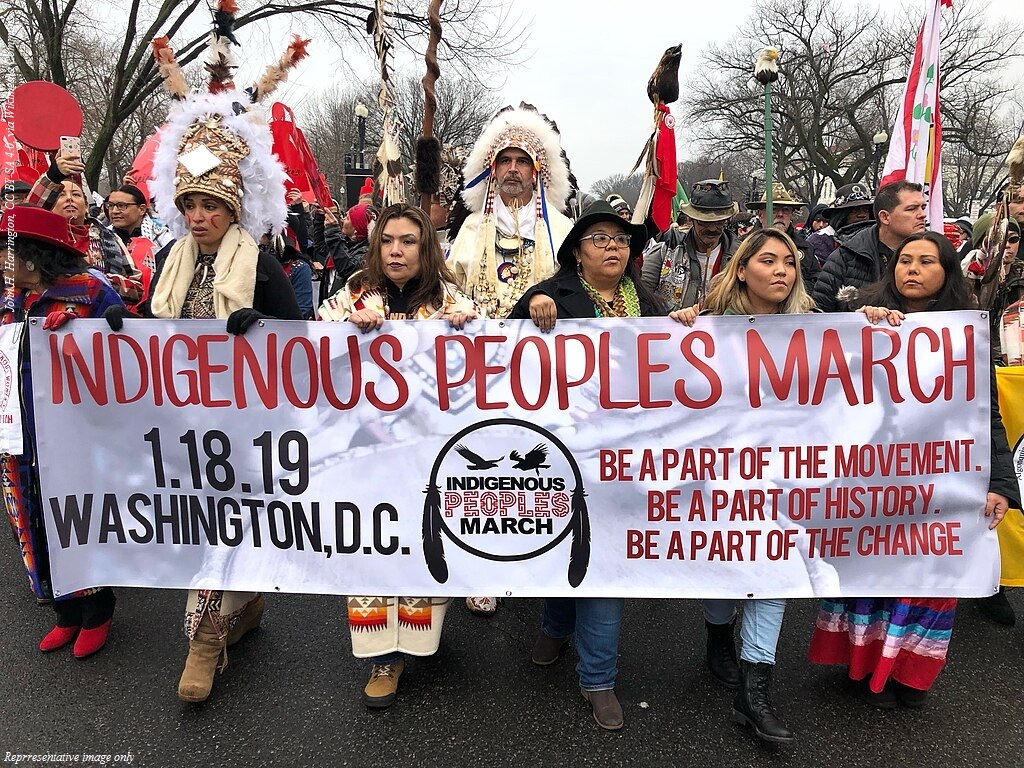
WASHINGTON (United States): Federally recognized tribes have been largely excluded from a USD 50 billion rural health and development fund recently approved by Congress, prompting widespread criticism from Indigenous leaders and advocates. The program, designed to strengthen rural infrastructure, healthcare and economic development, directs most funding through state governments, leaving tribes to negotiate access indirectly. Tribal representatives warn that this approach undermines sovereignty and could delay or limit critical resources for communities already facing longstanding disparities.
The exclusion comes amid growing concerns over systemic inequities in federal support for Indigenous populations. Tribes argue that direct allocation of funds would ensure timely implementation of healthcare services, broadband expansion and infrastructure projects tailored to their unique geographic and social needs. Instead, reliance on state discretion introduces uncertainty, with some states expected to prioritize other rural areas over tribal lands. Advocates highlight that many tribal communities experience higher rates of chronic illness, limited healthcare facilities, and inadequate transportation, making prompt funding essential.
Federal programs historically allocate resources to both states and tribes, but critics note that large-scale initiatives often fail to account for tribal sovereignty and jurisdictional complexities. By routing the majority of funds through state agencies, the current program leaves tribes dependent on state-level negotiations, which may not reflect community priorities. Indigenous leaders emphasize that this undermines principles of self-determination and may exacerbate inequities between tribal and non-tribal rural areas.
The $50 billion fund is intended to support a range of initiatives, including healthcare modernization, broadband expansion, renewable energy development, and transportation improvements in underserved rural communities. While state governments are tasked with distributing funds, there is no statutory requirement to prioritize tribal areas, raising concerns about inconsistent or partial implementation. Some states with large tribal populations have signaled intent to include tribes in funding allocations, but many smaller or resource-strapped states have not provided assurances.
Tribal leaders stress that direct engagement with federal agencies would allow for culturally informed planning and faster deployment of resources. Many communities face logistical and environmental challenges, including remote locations, limited internet access, and fragile infrastructure, which require tailored interventions. Advocates also point to the historical underfunding of tribal health programs, which has contributed to higher rates of chronic disease, limited access to mental health services, and inadequate emergency response systems.
The exclusion has sparked calls for congressional action to ensure equitable funding mechanisms that respect tribal sovereignty. Indigenous advocacy groups are urging lawmakers to amend program guidelines, allowing tribes to receive funds directly and manage projects according to local needs. Failure to address these concerns may leave tribal communities lagging behind other rural areas in healthcare, infrastructure, and economic development, perpetuating longstanding disparities.
As the program moves forward, tribes and allies are preparing to monitor state implementation closely, advocate for inclusion, and document gaps in service delivery. The controversy underscores the broader challenges of balancing state-administered federal programs with the rights and needs of Indigenous communities, highlighting the importance of policy frameworks that recognize tribal sovereignty while addressing systemic inequalities in rural development.
Click here to follow our WhatsApp channel and get instant updates