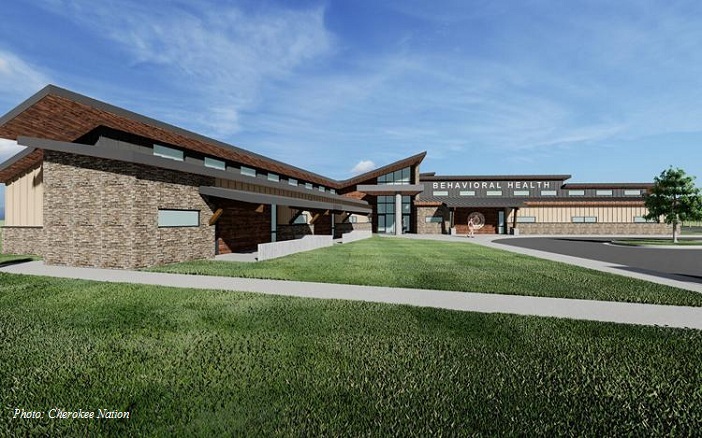
TAHLEQUAH (Oklahoma, United States): In a major development for Indigenous healthcare, the Cherokee Nation is set to open a new residential and outpatient addiction treatment center in Oklahoma, signaling a major step forward in culturally grounded, tribal-led healthcare.
The facility aims to address the disproportionately high rates of opioid-related deaths in Cherokee communities while integrating traditional Cherokee practices with modern addiction treatment.
The center will feature 100 inpatient beds, and is poised to become the first fully tribe-run facility of its kind in the United States. Unlike conventional treatment programs, the Cherokee Nation’s initiative is designed to make culture and community as essential elements of healing. Patients will have access not only to evidence-based therapies, but also to Cherokee cultural practices, including community farming programs and recreational activities such as stickball, a traditional Cherokee sport that has long served as both a cultural and social bonding experience.
Leaders of the Cherokee Nation emphasize that this approach represents more than just healthcare. It is a holistic model aimed at healing mind, body, and spirit. “For too long, addiction treatment in Indigenous communities has relied on programs that do not reflect our traditions or values,” said a tribal health official, “This center ensures that Cherokee people have access to care that honors who we are, our history, and our cultural practices, while also providing modern medical support.”
The center is expected to serve as a blueprint for other tribal nations looking to address health disparities within their communities. Indigenous populations in the United States face unique challenges in healthcare, including higher rates of substance abuse, chronic illness, and limited access to culturally competent care. By combining traditional practices with modern clinical approaches, the Cherokee Nation is creating a model of self-determined healthcare that could inspire similar programs nationwide.
Experts note that culturally tailored healthcare programs not only improve treatment outcomes but also foster a stronger sense of identity and community engagement among patients. In particular, the inclusion of activities such as stickball and community farming is expected to reinforce social bonds, physical wellness, and cultural pride, all of which are critical components of long-term recovery.
The center is funded through opioid settlement money. Tribes and several state and local governments sued drug-makers, wholesalers, pharmacies and other businesses over the last decade for causing the deaths of nearly 900,000 individuals amid the opioid crisis since 1999.
Settlements worth nearly $58 billion have been reached so far. Most of the money must be used to address the crisis itself. About $1.3 billion of the total is being given to tribal and Indigenous groups.
Click here to follow our WhatsApp channel and get instant updates