
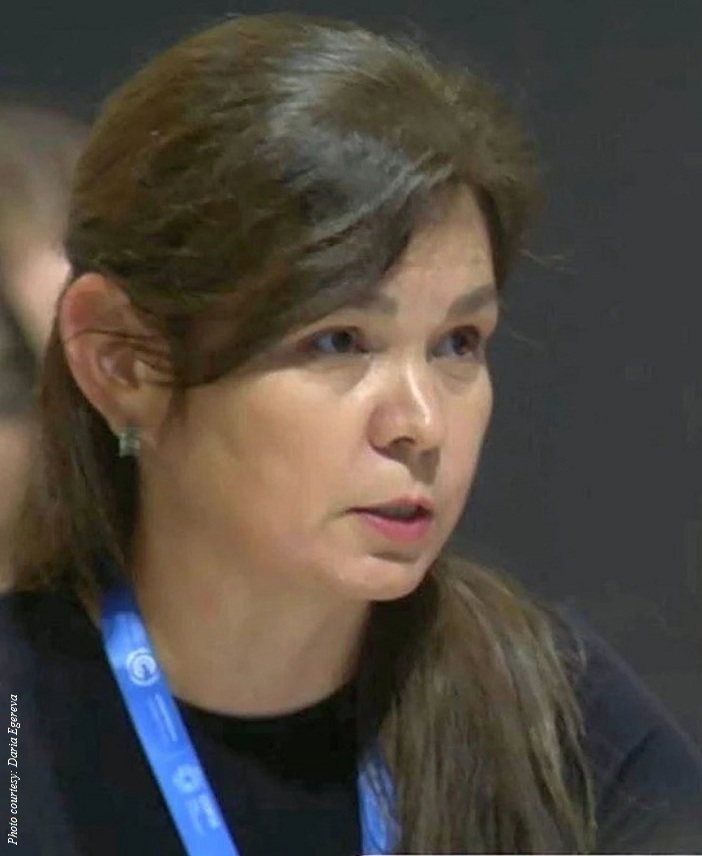
MOSCOW (Russia): The detention of Indigenous rights activist Daria Egereva has drawn international attention to the challenges that Indigenous communities in Russia face, with rights groups arguing that her case reflects broader pressures on activists working on environmental and Indigenous issues.
Egereva, a member of the Indigenous Selkup community of western Siberia and a prominent climate and Indigenous-rights campaigner, has been held in pre-trial detention since December 2025. Russian authorities accuse her of involvement with an extremist or terrorist organization, allegations that she and her supporters strongly deny. No trial date has yet been announced.
Her arrest followed coordinated security-service raids targeting Indigenous activists across multiple Russian regions. According to reports, homes and workplaces were searched, electronic devices seized, and several activists interrogated about their participation in international Indigenous-rights forums and environmental advocacy initiatives. While most were later released, many reportedly left the country. Egereva remains behind bars.
The case has highlighted the challenges confronting Indigenous communities across Siberia and the Russian Arctic. Many Indigenous peoples depend on hunting, fishing, and reindeer herding, livelihoods increasingly threatened by climate change and industrial development. Rising Arctic temperatures are causing permafrost to thaw, destabilizing villages and damaging ecosystems that have sustained Indigenous communities for generations.
At the same time, the Arctic’s vast reserves of oil, gas, gold, diamonds, and other minerals have become increasingly attractive to extractive industries. Indigenous leaders say mining and energy projects often disrupt traditional lands, pollute rivers and forests, and undermine local cultures. Advocates argue that communities are frequently excluded from decisions affecting their territories.
For Indigenous communities, Egereva’s imprisonment represents more than an individual legal case. They view it as a test of whether Indigenous communities in Russia can continue to defend their lands, cultures, and environmental interests in an increasingly restrictive political climate. As international scrutiny grows, her fate has become closely linked to broader questions about Indigenous rights, environmental justice, and civic freedoms across Russia’s vast northern territories.
Before her detention, Egereva had become one of the most visible Indigenous representatives from Russia on the international stage. She served as a co-chair of the International Indigenous Peoples’ Forum on Climate Change and participated in United Nations-related processes focused on Indigenous rights and climate policy. Supporters argue that her prosecution reflects a broader effort to silence Indigenous voices that challenge government policies on environmental protection and natural-resource extraction.
Human-rights groups, Indigenous organizations, and some European lawmakers have called for her release, describing the charges as politically motivated and warning of a wider crackdown on Indigenous activism in Russia. The United Nations High Commissioner for Human Rights has also been cited in appeals urging Russian authorities to free activists detained for exercising fundamental freedoms.
Click here to follow our WhatsApp channel and get instant updates