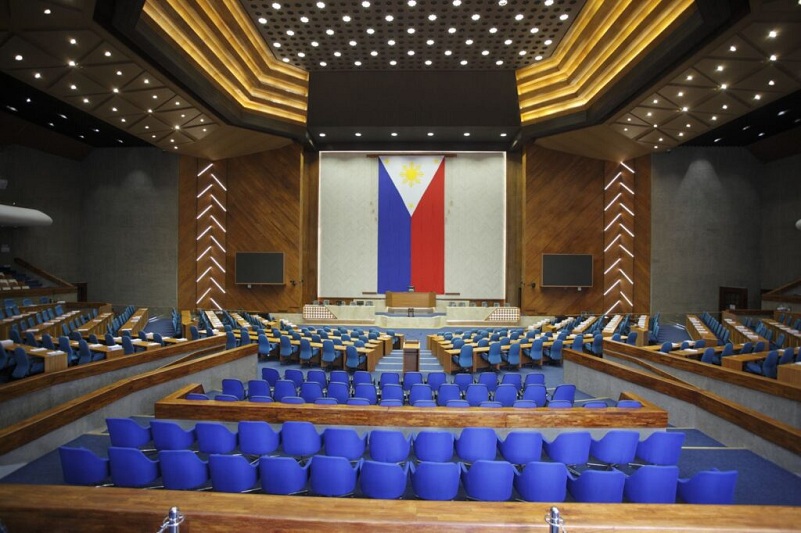
COTABATO CITY (Philippines): A committee of the legislature of the Philippines has launched an investigation into a series of killings targeting non-Moro indigenous peoples in Mindanao amid concerns about rising violence and impunity in the region. Lawmakers said the probe will examine patterns of murders affecting tribal leaders and community figures, aiming to identify root causes and recommend measures to improve security and justice for vulnerable groups. The inquiry follows mounting reports from human rights monitors and tribal organizations documenting a string of violent incidents involving non-Moro Indigenous Peoples (IPs).
Mindanao has a long history of conflict involving various armed groups, government forces, and clan rivalries, compounded by disputes over land, resources, and political influence. Indigenous communities in the region, distinct from the predominantly Muslim Moro population of the Bangsamoro Autonomous Region in Muslim Mindanao (BARMM), have often found themselves caught in overlapping conflicts between state actors, insurgent movements and private interests. Many non-Moro tribes inhabit remote upland and forested areas where access to basic services and legal protections is limited.
Tribal leaders and advocates have raised alarms over killings of community organizers, elders and activists who oppose land encroachment, illegal mining or logging, and other activities they say threaten ancestral territories. The deaths have fuelled calls for stronger government intervention and protection mechanisms tailored to Indigenous Peoples. Critics say that weak law enforcement, slow investigations, and a culture of impunity have emboldened perpetrators, making accountability elusive.
Indigenous Peoples in the Philippines are recognized under the Indigenous Peoples Rights Act (IPRA), which guarantees ancestral land rights, cultural integrity and self-determination. Yet implementation of these protections has often lagged, particularly in Mindanao where competing claims over land and resources are frequent. The congressionally mandated probe is expected to review not only specific killings but also systemic gaps in enforcement of existing laws and policies affecting tribal communities.
The issue has drawn national attention after advocacy groups documented numerous incidents of violence against non-Moro IPs in recent years. Some of the killings involve community leaders who had publicly opposed alleged abuses or supported peace processes, placing them at heightened risk. Observers note that the complex security environment in Mindanao, where insurgencies, clan feuds and militarized politics intersect, makes civilian leaders especially vulnerable.
The congressional inquiry will hold hearings to gather testimony from victims’ families, tribal representatives, security officials and civil society groups. Lawmakers said they also plan to assess whether current protection programs and legal remedies are sufficient to address threats to Indigenous Peoples. Tribal rights advocates are pushing for more robust protective measures, including faster judicial processing of cases, improved community policing and specialized legal support for tribal victims.
Human rights and Indigenous organizations have welcomed the probe but urged swift action beyond fact-finding. They say investigations must be followed by prosecutions and reforms that ensure tribal leaders can operate without fear of violence. Families of slain leaders have called for justice and for authorities to dismantle networks of impunity that allow attackers to evade accountability.
The congressional effort comes as the Philippine government continues to balance peace-building and security operations across Mindanao, particularly in areas affected by decades of insurgency and contested governance. Ensuring the safety of non-Moro Indigenous Peoples is seen by supporters of the inquiry as critical to stabilizing local communities and advancing broader peace and development goals in the region.
Click here to follow our WhatsApp channel and get instant updates