
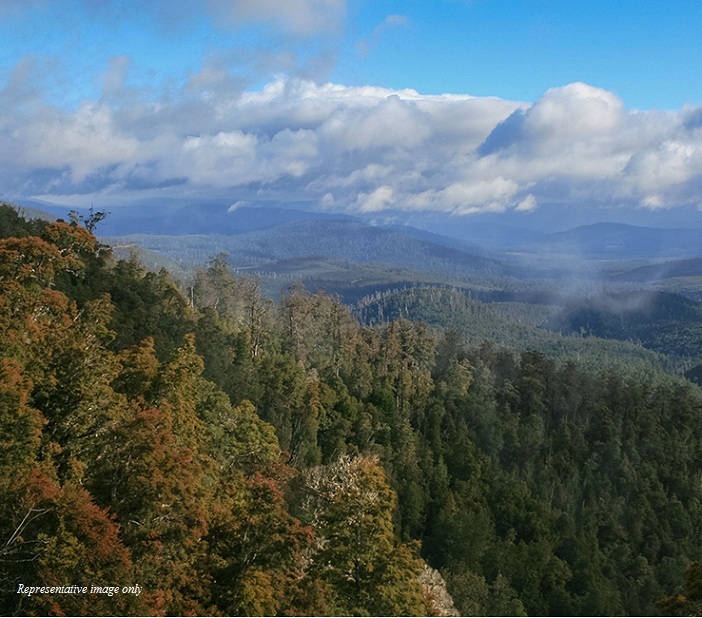
HOBART (Tasmania, Australia): An alliance of 14 Indigenous and environmental organizations has called upon UNESCO to increase its level of concern for the Tasmanian Wilderness World Heritage Area, arguing that one of Australia’s most significant natural and cultural landscapes faces mounting environmental pressures and requires stronger recognition of Aboriginal heritage and rights.
The coalition, which includes Indigenous representatives and conservation groups, has written to UNESCO regarding the management and condition of the World Heritage Area. The organizations are seeking a reassessment of the site’s conservation outlook, citing threats ranging from climate change and invasive species to what they describe as inadequate protection of Aboriginal cultural values.
The coalition says that the World Heritage Area’s cultural significance has not received the same level of attention as its environmental values. Indigenous leaders say that management frameworks should place greater emphasis on Aboriginal knowledge, cultural heritage protection, and Indigenous participation in decision-making processes.
Representatives from Aboriginal organizations have argued that the landscape should be understood not only as a collection of archaeological sites but also as a living cultural landscape with continuing significance for Aboriginal communities. They contend that stronger Indigenous involvement in governance would improve both cultural heritage protection and environmental stewardship.
Environmental groups participating in the campaign have highlighted a range of ecological challenges facing the region. Climate change has increased concerns about bushfires, changing weather patterns, and the vulnerability of ecosystems that evolved under relatively stable environmental conditions. Conservationists have also pointed to invasive species and other human-driven pressures that could affect the long-term health of the World Heritage Area.
The Tasmanian Wilderness World Heritage Area covers approximately 1.58 million (1.58 crore) hectares. It is recognized internationally for both its ecological significance and its rich Aboriginal cultural heritage. The region contains some of the world’s oldest temperate rainforests, unique wildlife habitats, and archaeological evidence of Aboriginal occupation dating back tens of thousands of years.
The campaign reflects a broader global trend in which Indigenous communities are seeking a more prominent role in the management of protected areas and World Heritage sites. Similar debates have emerged in countries including Canada, New Zealand, and Brazil, where Indigenous groups have advocated for conservation models that recognize traditional stewardship and Indigenous rights alongside environmental protection goals.
Click here to follow our WhatsApp channel and get instant updates