BOA VISTA (Brazil): Doctors Without Borders wrapped up a nearly three-year health care mission in the Yanomami Indigenous Land’s Auaris region after working alongside local shamans, health promoters, and Indigenous authorities to provide culturally adapted medical services. Federal authorities declared a health emergency in the territory in 2023 amid rising malaria, malnutrition and weakened health services. At the peak of the crisis, cases of malaria surged sharply, straining already limited access to care.
Medical teams from Doctors Without Borders operated out of the Auaris Health Center, where hammocks are used as patient beds and multilingual signs in Sanöma, Ye’kwana and Portuguese help navigate the facility. The group focused on diagnosis and treatment of malaria, general care and mental health support, while working with anthropologists and intercultural mediators to respect and integrate Indigenous medical knowledge.
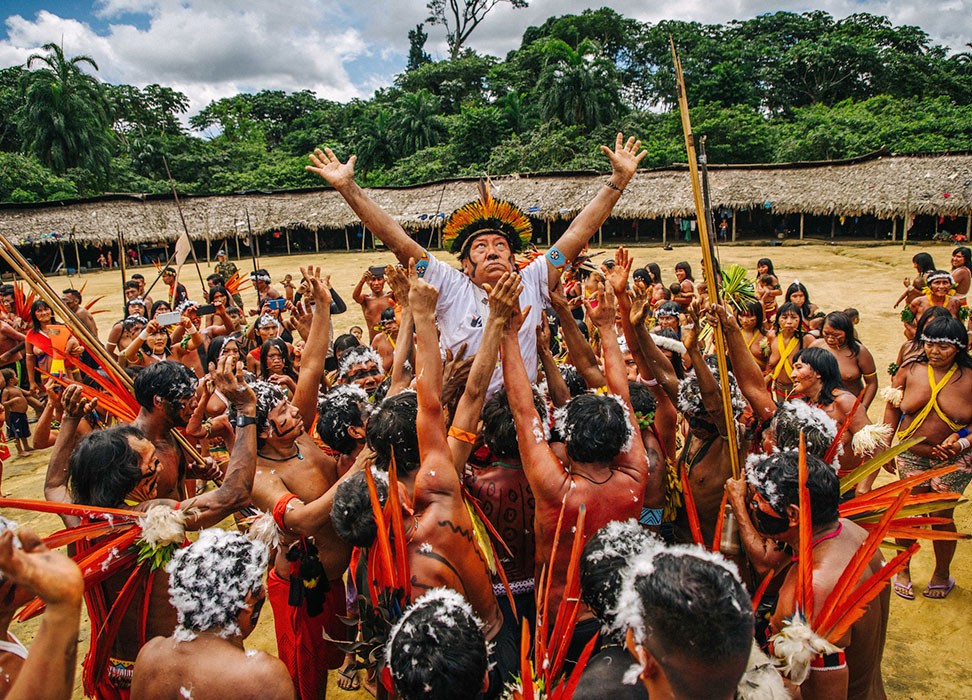
Indigenous healers and medical staff developed an integrated approach that allowed patients to take part in traditional healing rituals before seeking clinical treatment. Community members said that if someone falls seriously ill, a ceremonial xapori healing ritual is first performed by a shaman before the individual is brought to the health center. Health promotion activities encouraged early treatment seeking, leading to fewer severe cases and lower mortality.
Mental health programming became a significant part of the mission as Indigenous leaders and MSF staff identified a rise in psychological distress among youth amid cultural disruptions. Teams carried out community awareness sessions, psycho-education, psycho-social support and individual consultations, reaching thousands of Indigenous residents through group activities and support groups.
Local health authorities were trained to continue care practices and monitor health after the departure of Doctors Without Borders. MSF doctors reported that at the start of their work there was an average of one severely ill patient per day from malnutrition, advanced malaria, dehydration, or accidents, but this rate declined as prevention efforts took hold. Official health data showed a reduction in malaria cases in the first half of this year compared with the same period last year, and fewer deaths from severe illness.
Federal and Indigenous health officials have reopened and strengthened health service hubs across the territory, expanding the number of functioning clinics and health professionals available while emphasizing culturally respectful care. The transition planning aimed to ensure that improvements in health infrastructure and practices continue benefiting the Sanöma and Ye’kwana communities.
The project is part of broader efforts to address long‑standing health inequities in the region, where geographic isolation, limited infrastructure, and past declines in health services have contributed to high disease burdens. By blending clinical treatment with respect for traditional medicine, health workers and Indigenous leaders hope to sustain enhanced care and better health outcomes for remote communities in the Amazon.
Click here to follow our WhatsApp channel and get instant updates