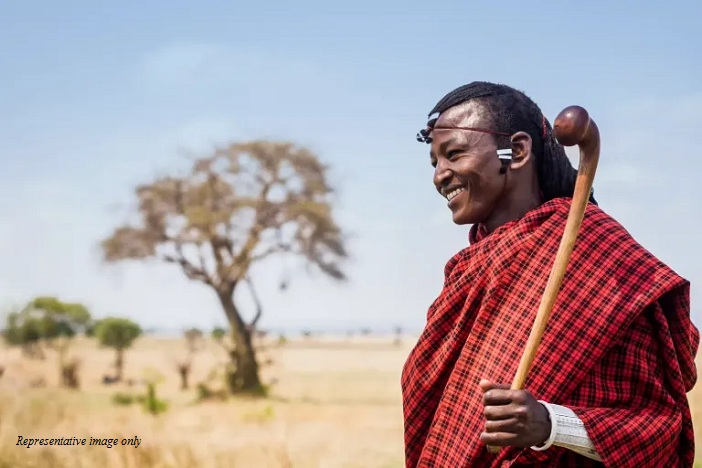

ARUSHA (Tanzania): The Maasai, one of East Africa’s most recognizable Indigenous pastoralist groups, are intensifying their struggle against land grabs, forced evictions and the erosion of cultural identity as pressures mount from government conservation policies and commercial tourism development.
The Maasai inhabit northern Tanzania’s fertile and biodiverse regions, including the Ngorongoro Conservation Area and areas adjoining the Serengeti. These lands sustain their pastoral way of life, underpinning spiritual practices, grazing cycles and community traditions. Pastoralism depends on extensive grazing territories that are now increasingly fragmented by state actions and private sector interests. Their deep spiritual connection to land, which encompasses prayer sites, burial grounds and medicinal plant resources, makes displacement a threat not only to livelihoods but to cultural existence itself.
Tanzania recognizes the United Nations Declaration on the Rights of Indigenous Peoples in principle, but lacks specific legal frameworks to protect Indigenous identities and customary land tenure. This legal gap has enabled several rounds of evictions, often justified under conservation mandates that priorities wildlife protection over human rights. Critics argue this “fortress conservation” model echoes colonial-era practices that exclude local people from lands they have stewarded for generations.
Reports from human rights observers and Indigenous rights advocates indicate that evictions have occurred repeatedly over decades. Villages have been uprooted and pastoralists displaced to make way for tourism, hunting concessions and park expansions. Security forces have been deployed during eviction operations, leading to confrontations, detentions and incidents of violence. In some cases, Maasai activists defending land rights have faced arrest, intimidation and pressure to leave the country.
The tourism sector in Tanzania is a critical component of its economy, drawing millions of visitors to world-famous parks such as the Serengeti and Ngorongoro Crater. Yet, the Maasai, whose ancestral lands form the backdrop of this industry, receive little of the economic benefit. Most high-end safari lodges and tourism enterprises are owned by non-Maasai or foreign entities, leaving local communities with limited access to profits or decision-making roles.
In 2022, authorities demarcated some 1,500 square kilometers of crucial grazing land on the eastern Serengeti for foreign hunting and photography companies. Maasai communities responded with protests, asserting these areas were vital to their traditional lifestyle. In recent years, civil society organizations have mobilized against deregistration of Maasai villages in key conservation zones, securing temporary legal victories and prompting government reversals in some instances.
The Maasai International Solidarity Alliance and other advocacy networks have drawn global attention to these issues, contributing to international pressure on the Tanzanian government. High-level engagements have followed. For example, in late 2024, the government held discussion with Maasai leaders from Ngorongoro, Loliondo and Sale, acknowledging past land rights violations and pledging to form task forces to address disputes and halt evictions.
Despite these developments, comprehensive legal recognition of Indigenous land rights remains absent. Maasai leaders continue to demand inclusive and ethical policies that respect their territorial rights and integrate them into tourism and conservation decision-making. Initiatives promoting responsible tourism and equitable economic participation have emerged, aiming to ensure that visitors to Maasai regions contribute to community well-being rather than dispossession.
Climate change compounds these challenges, intensifying droughts and reducing reliable water and pasture resources. Grassland degradation and invasive species pressure further strain pastoral systems. In response, community-led groups such as the Pastoral Women’s Council have launched local climate adaptation plans, empowering thousands of pastoralists to build resilience against environmental shifts.
The Maasai struggle highlights a broader dilemma in conservation and development policy: balancing national economic interests with Indigenous rights and cultural survival. As Tanzania approaches general elections, tensions over land governance and cultural identity are likely to remain central to debates on sustainable and equitable development.
Click here to follow our WhatsApp channel and get instant updates