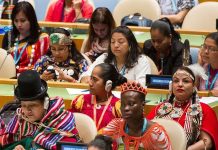
CHENNAI (Tamil Nadu, India): An International Conference on Indigenous Knowledge Systems in Biodiversity Conservation (ICIKSBC-26) will be held in Chennai on February 15, 2026. The conference is being hosted by the National Institute of Engineering Research (NIER) of Chennai.
The event is open to researchers, academicians, professionals, students, entrepreneurs, consultants, policy-makers and other stakeholders interested in forging practical solutions at the intersection of culture, ecology and sustainable development. Participants are expected to emerge with actionable insights and strengthened networks that can support future research and policy initiatives rooted in mutual respect and shared commitment to preserving the planet’s biological and cultural diversity.
The deadline for submission of abstracts is February 01, 2026. The final paper submission deadline is February 11, 2026. The last date for registration is February 08, 2026. The flyer can be downloaded here.
The conference is expected to discuss the role of traditional ecological knowledge in safeguarding biological diversity across ecosystems and aims to bridge theoretical understandings with practical applications, particularly in the context of environmental sustainability and community-led conservation strategies.
Indigenous knowledge encompasses the practices, beliefs and technical skills developed by local and tribal communities through centuries of interaction with their natural surroundings. It has gained increasing recognition in global biodiversity governance as an essential complement to conventional scientific approaches, offering insights into sustainable resource management, species protection and habitat restoration. With indigenous territories often coinciding with regions of high biodiversity, traditional conservation practices have been shown to contribute effectively to maintaining ecological balance, while preserving cultural heritage and community autonomy. Details about the conference are available here.
The conference will provide a platform for participants to present research on how indigenous knowledge systems can inform biodiversity planning, address emerging environmental challenges and integrate with contemporary scientific methodologies. Sessions will explore a range of topics including sustainable land use practices, community-based natural resource management, ecological monitoring and policy frameworks that recognize and safeguard traditional wisdom. Delegates are expected to engage in technical discussions, share case studies from various regions and identify collaborative pathways that enhance both biodiversity outcomes and the rights of indigenous peoples.
In addition to academic presentations, the conference is expected to facilitate networking among conservation professionals, indigenous representatives and government officials. Such engagement is seen as instrumental in advancing policy frameworks that formally incorporate traditional knowledge into national and regional biodiversity strategies. Discussions will also likely cover mechanisms for protecting intellectual property rights related to indigenous practices and ensuring that community voices are central in decision-making processes affecting their lands and resources.
As India is home to one of the world’s largest and most diverse array of tribal populations, the context for the event is particularly relevant. Tribal communities across the country possess rich indigenous knowledge traditions tied to agriculture, forest resource management, medicinal plant use and watershed governance. These traditions have historically contributed to local food security and ecological stewardship, yet they often remain marginalized in formal conservation planning. The Chennai conference aims to address this gap by promoting recognition of indigenous wisdom as an indispensable component of biodiversity conservation discourse.
Click here to follow our WhatsApp channel and get instant updates