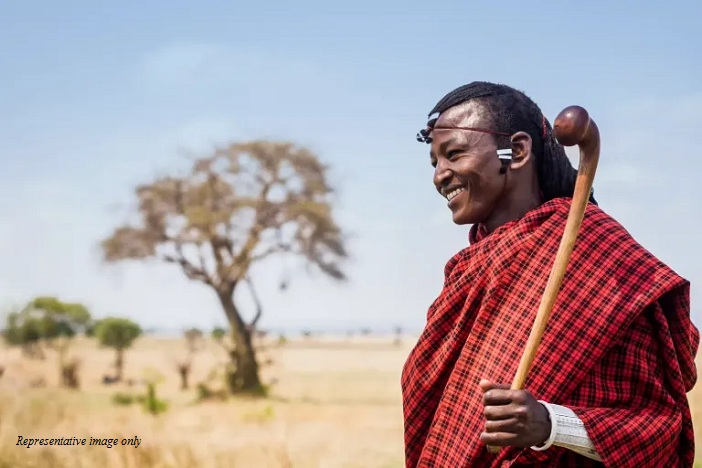
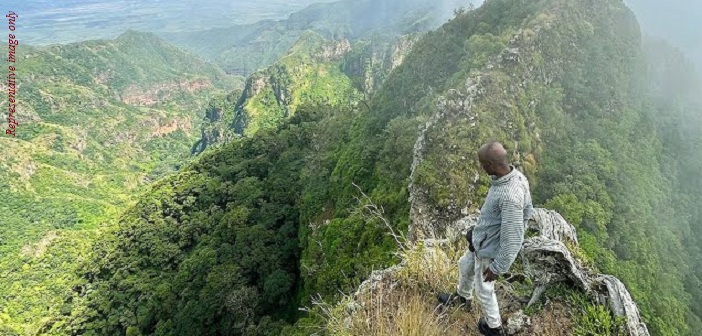
SAMARKAND (Uzbekistan): The Council of Elders, known as Wazee wa Mazingira from northern Kenya, was awarded the 2025 UNESCO-Greece Melina Mercouri International Prize in recognition of its leadership in protecting and managing the Mount Kulal Biosphere Reserve, highlighting the central role of Indigenous knowledge in conservation and sustainable development.
The prize, presented during the 43rd General Conference of UNESCO late last year, underscores the interdependence of cultural traditions and environmental stewardship and celebrates community-led approaches to safeguarding landscapes.
The prize was awarded to the Council of Elders in recognition of their outstanding efforts to safeguard and manage the Mount Kulal Biosphere Reserve in Kenya. The prize celebrates indigenous knowledge and conservation. Wazee wa Mazingira is an indigenous community group.
The Melina Mercouri Prize, established three decades ago with support from the Government of Greece, honors exemplary efforts to conserve cultural landscapes. These are places shaped by the long-standing interaction between people and their natural environment and embody heritage values that link ecosystems, cultural practices and community resilience. The award includes a monetary prize of USD 30,000 designed to support ongoing conservation efforts and draws attention to global examples of sustainable coexistence between humans and nature.
Wazee wa Mazingira, which translates roughly as “elders of the environment,” has safeguarded the Mount Kulal region for generations, blending ancestral wisdom with contemporary conservation techniques. Mount Kulal, recognized as a UNESCO Biosphere Reserve since 1978, encompasses more than 2.8 million hectares of volcanic highlands and semi‑arid terrain in northern Kenya. It hosts significant biodiversity, including endemic species, and sustains the livelihoods and cultural identities of local pastoral communities through practices that intertwine ecological health and social cohesion. Their customary management systems include rotational grazing, water harvesting and traditional by-laws that regulate the use of forest, pasture and water resources.
Taita Christopher Adimosele, chairman of the Mount Kulal Community Forest Association, accept the prize on behalf of the elders. Their stewardship is widely recognized for maintaining not only ecological integrity but also cultural continuity, as knowledge about medicinal plants, beekeeping, livestock care and sacred sites is passed down through generations. This transmission of traditional ecological knowledge from one generation to the next has helped local communities adapt to environmental change while preserving the cultural values tied to the landscape.
Click here to follow our WhatsApp channel and get instant updates