TAIPEI (Taiwan): Taiwan’s Indigenous population grew significantly in 2025, reaching an estimated 629,000, the Ministry of the Interior reported. This marks a rise of 2.9% over the previous year.
The latest figures underscore a continued demographic shift and resilience among Taiwan’s Indigenous communities, many of which have expanded their numbers despite broader national aging trends and societal pressures.
According to the data, the Amis people remain the largest Indigenous group, with about 235,000 members. They are followed by the Paiwan at approximately 114,000 and the Atayal at around 103,000. Combined, these three groups account for roughly 72% of the total Indigenous population. The ministry noted that every officially recognized tribe recorded an increase in population over the year.
Taiwan’s Hualien County has the highest concentration of Indigenous people, with nearly 95,000 residents identifying as Indigenous. Taoyuan City has around 90,000, while Taitung County about 79,340 Indigenous residents. These figures reflect longstanding settlement patterns, with eastern and northern Taiwan historically home to larger Indigenous communities.
Significantly, Taiwan’s Indigenous population is younger than the national average. The median age stood at 34.9 years in 2025, indicating that half of the Indigenous population is below 35 years of age.
Taiwan officially recognizes 16 Indigenous tribes under national law, which are the Amis, Atayal, Paiwan, Bunun, Puyuma, Rukai, Tsou, Saisiyat, Yami (Tao), Thao, Kavalan, Truku, Sakizaya, Seediq, Hla’alua and Kanakanavu. In addition, the 10 widely recognized Plains Indigenous groups are Ketagalan, Taokas, Pazeh, Papora, Babuza, Hoanya, Siraya, Makatao, Kahabu and Taivoan. These Plains groups have sought formal recognition under the Plains Indigenous Peoples Status Act, enacted last year. Under that law, each group must apply to the Council of Indigenous Peoples for official recognition; so far, all but the Hoanya have submitted applications.
The growth in Indigenous numbers comes amid broader national discussions about identity, cultural preservation and the political status of Taiwan. Indigenous communities in Taiwan have a distinct history predating Han Chinese settlement and Japanese colonial rule. Throughout the 20th and early 21st centuries, many Indigenous people faced assimilation pressures and loss of land. Advocacy and legal reforms in recent decades have aimed to restore rights, preserve languages and expand political representation.
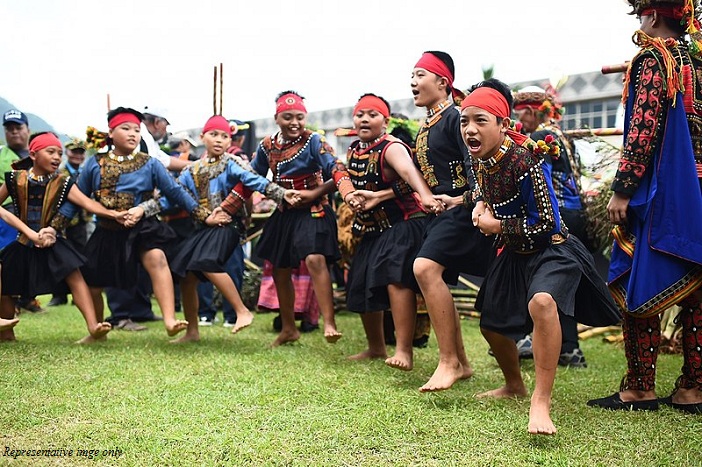
Cultural festivals, land restitution efforts and language revitalization programs have gained traction in recent years, supported by both governmental and civil society initiatives. The central government and local authorities have invested in educational and preservation projects, acknowledging the unique heritage of Indigenous peoples in shaping Taiwan’s national identity.
Experts say the demographic uptick is partly due to improved access to health care and social services in Indigenous regions, alongside heightened cultural pride encouraging more people to self-identify as Indigenous. While challenges remain, including economic disparities and rural development issues, the latest population figures reflect a strengthening presence of Indigenous communities across Taiwan.
Click here to follow our WhatsApp channel and get instant updates
हिंदी में यहाँ पढ़ें।