
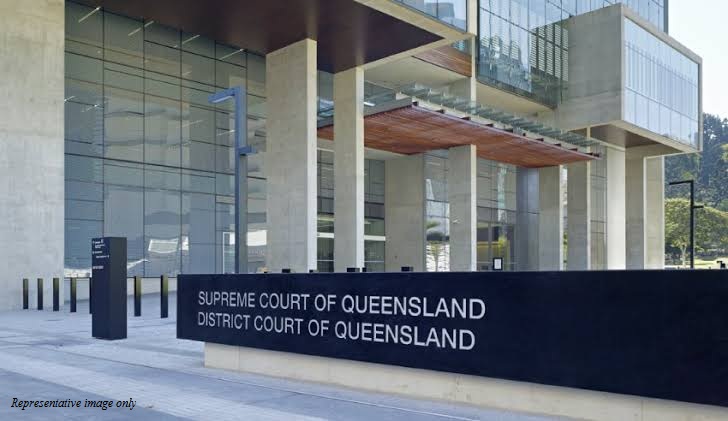
BRISBANE (Queensland, Australia): The Queensland government has abandoned a controversial policy to automatically contest all new native title claims in court, a dramatic reversal that came just days before it was due to explain the approach in federal court. The change follows significant concern from the Federal Court, which raised alarms that the state’s sudden policy shift was creating uncertainty and delaying longstanding negotiations over Indigenous land rights.
In February 2026, the state’s natural resources minister issued a directive that all undetermined native title claims be opposed rather than settled through consent determinations. Traditionally, most native title claims in Australia are resolved through consent, a process in which Indigenous claimants and the government agree on outcomes that are then approved by the court. This consent approach is generally faster, less costly and less adversarial than litigation.
The issue came to a head during a hearing involving a decades-old claim by a Cape York group, where the Federal Court’s chief justice questioned why Queensland had moved to contest areas it had previously accepted for negotiation. The chief justice noted the state’s change of course had left other pending claims in limbo and interrupted progress toward resolution. Court filings revealed that senior public servants had been instructed to cease reviewing cultural connection materials for consent determinations and instead prepare to argue the matters at trial.
However, in updated guidance issued in early March, the minister stepped back from the blanket approach, instructing officials that not all undetermined areas should proceed to court. The revised stance returns discretion to the department to assess claims individually, effectively restoring the traditional practice of weighing each native title application on its merits. The solicitor general clarified that the state would no longer have a universal policy of contesting every case, a position that appears to align more closely with how native title matters have been handled in the past.
Despite the reversal, the minister reiterated the government’s view that Queensland must represent the interests of all its residents, a comment interpreted by some as signaling continued scrutiny of native title claims. Legal representatives for claimants described relief at the apparent return to the status quo, noting that unnecessary litigation can be costly and burdensome for communities seeking recognition of their ancestral ties to land.
Native title law in Australia stems from landmark legal decisions and legislation that recognize the traditional rights of Indigenous Australians to land and waters according to their customs and connection to country. These rights are acknowledged under the Native Title Act, which encourages negotiated consent determinations but allows litigation if parties cannot agree. The recent policy shift in Queensland risked undermining decades of cooperative practice by prompting more contested hearings, a move critics said could slow the resolution of claims and erode trust between governments and Indigenous groups.
Stakeholders in native title and Indigenous rights advocacy welcomed the government’s reversal, urging Queensland to continue engaging constructively with claimants and adhere to processes that balance efficient resolution with respect for established customs and legal recognition.
Click here to follow our WhatsApp channel and get instant updates