CANBERRA (Australia): A major controversy has erupted after incidents of racial heckling of army veterans during the Anzac Day ceremonies in Australia.
Sections of the crowd booed Indigenous leaders during the “Welcome to Country” addresses that are part of the ceremony, prompting a national outcry against the blatant display of racism even as some observers called for maintaining the sanctity of the occasion and not focus on Australia’s original Indigenous inhabitants.
The controversial incidents occurred across multiple cities on April 25, 2026, and reignited the long-standing tension between honoring military history and integrating Indigenous recognition into national commemorations. The police removed trouble-makers at several places, but senior officials of law-enforcement agencies have expressed their inability to completely prevent such incidents. “The police cannot stop everything,” one official was quoted by the media as saying.
Activists even called for a strategy like the one adopted by the Australian Football League (AFL) to prevent racism and remove or ban troublemakers from playing arenas. However, the police say that Anzac Day celebrations are held on public grounds, while AFL is held in enclosed areas to which access can be tightly controlled.
Anzac Day is observed every year to honor the sacrifices of the Australian and New Zealand Army Corps (ANZAC) soldiers in wars and peacekeeping missions, especially World War I. It has traditionally been a solemn occasion. This year, however, the day was marred by incidents where some attendees at the dawn services and public marches voiced their disapproval during the ceremonial Indigenous acknowledgements, commonly known as “Welcome to Country” speeches. These addresses are an Indigenous tradition in Australia, in which local Aboriginal or Torres Strait Islander elders welcome attendees to the traditional land, recognizing the Indigenous peoples as the original custodians.
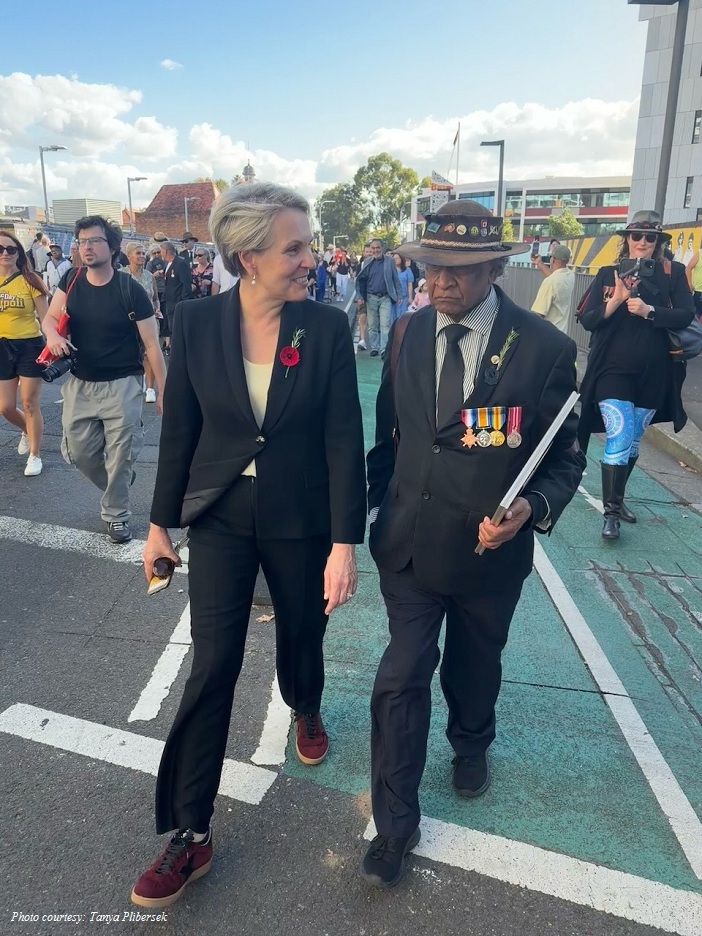
The booing and heckling sparked immediate backlash. The actions were described as racist and disrespectful. Army veteran and indigenous leader Ray Minniecon condemned the disruptions, stating that they reflected deep-seated racism and a refusal to accept the rightful place of Indigenous Australians in national commemorations. Minniecon, along with others, pointed out that Anzac Day is meant to unite Australians in remembrance of sacrifice, not divide them over ongoing cultural tensions. “The booing is a clear example of the prejudice and resistance that Indigenous Australians continue to face,” Minniecon said.
On the other hand, a significant portion of the public has voiced concerns about the increasing frequency of “Welcome to Country” ceremonies at various public events, including Anzac Day. Critics argue that the traditional military day should remain neutral and should focus solely on honoring fallen soldiers and not be intertwined with what they perceive as politically charged cultural practices. An online article by a veteran even raised concerns about the dilution of Anzac Day’s commemorative significance, asserting that the inclusion of these ceremonies detracts from the purpose of the day. Anzac Day ceremonies should remain neutral, because soldiers in the armed forces are all equal irrespective of their roots or religion, the veteran asserted. Some other individuals have called for a clear separation of military remembrance from the growing calls for Indigenous recognition.
Some critics also claimed that “Welcome to Country” addresses are becoming too frequent and are, therefore, losing their value. They are also against the inclusion of these addresses at Anzac Day services. The sacrifice of soldiers rises above all difference of all kinds, whether of race or religion, they assert.
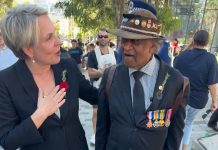
In a Facebook post, Australian Minister for Social Services Tanya Plibersek lauded Minniecon for his composure in the face of disturbances when making the “Welcome to Country” address at the Anzac Day ceremony Sydney, thanking him for his “… clarity and conviction in the face of a deeply disrespectful act, which was rightly drowned out by applause…”.
“Welcome to Country” is an important cultural practice for Aboriginal and Torres Strait Islander peoples. Traditionally, the ceremony is performed by the local Indigenous people and involves a formal greeting or blessing of visitors to the land. This practice is an important symbol of respect for the connection that Indigenous communities have to their ancestral territories. It is different from an “Acknowledgement of Country,” which can be performed by non-Indigenous people when the traditional custodians of the land are not present, and acknowledges the existence of Indigenous people on the Australian soil from thousands of years.
The Returned and Services League of Australia (RSL), which is responsible for organizing many of the country’s Anzac Day events, has come under pressure in the wake of the disruptions. The RSL traditionally supports veterans and their families, and it plays a crucial role in organizing commemorative activities.
Click here to follow our WhatsApp channel and get instant updates