BOGOTA (Colombia): Indigenous Wayúu communities in northern Colombia say the country’s expanding renewable energy sector is threatening their land, water and traditional way of life, which they fear will be a repeat of decades of damage caused by coal mining in the region.
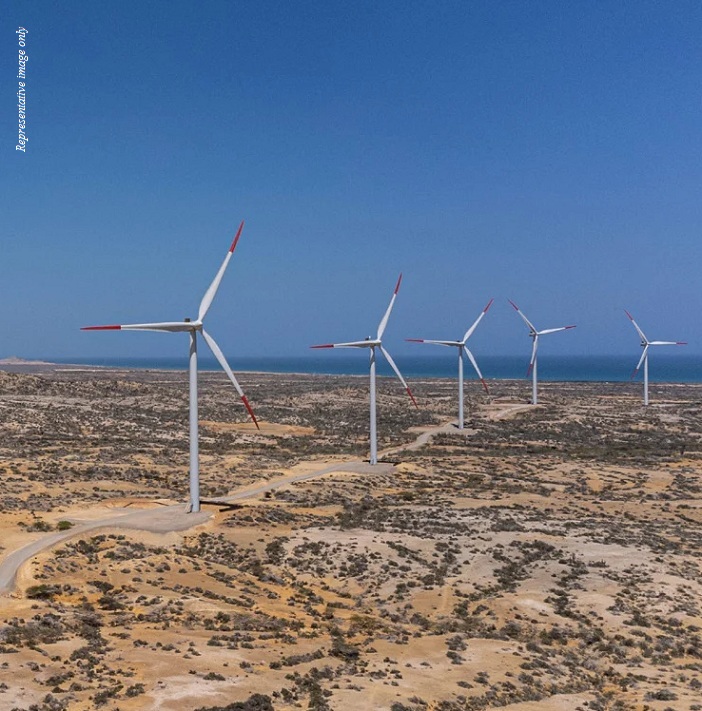
The concerns are centered in La Guajira, an arid peninsula on Colombia’s Caribbean coast that is home to the country’s largest Indigenous population and one of the world’s largest open-pit coal mines, Cerrejón. The region also has some of Colombia’s strongest wind resources and has become the focal point of the government’s renewable energy plans.
Wayúu leaders say large-scale wind farm projects are being developed without adequate protection for Indigenous communities and fear the transition to green energy is repeating a long history of extractive development imposed on their territory.
Community representatives say that mining operations over several decades have contributed to water shortages, environmental degradation and displacement. Residents say coal dust from mining infrastructure has polluted grazing land and affected livestock, while prolonged droughts linked to climate change have worsened conditions in the region.
Many families in La Guajira now rely on water deliveries or distant wells for drinking water. Indigenous leaders say worsening living conditions have forced people to leave ancestral lands in search of food and work, weakening traditional social structures and cultural practices.
The Cerrejón coal mine, currently operated by mining company Glencore, has long faced criticism from environmental and Indigenous groups over allegations of pollution and community displacement. The company says it monitors air quality and has measures in place to reduce dust and protect nearby communities.
The Colombian government is promoting what it describes as a “just energy transition” aimed at expanding renewable energy while reducing dependence on fossil fuels. Officials say environmental licensing, consultation processes and community investment programs are part of the policy framework for new projects.
The Ministry of Mines and Energy has identified La Guajira as Colombia’s most important wind energy corridor. More than 30 wind power projects are currently in planning, licensing or development stages in the region.
However, some Indigenous organizations argue that consultation processes have been insufficient and that economic benefits have not reached local communities. Leaders also say opposition to mining and energy projects has exposed activists to threats and violence.
La Guajira has long faced severe poverty and malnutrition despite its mineral wealth and strategic energy importance. Human rights groups have repeatedly warned about food insecurity and limited access to clean water among Indigenous communities in the area, particularly affecting children. Wayúu leaders say they are not opposed to development but want stronger protections for their territory and meaningful participation in decisions affecting their communities.
Click here to follow our WhatsApp channel and get instant updates