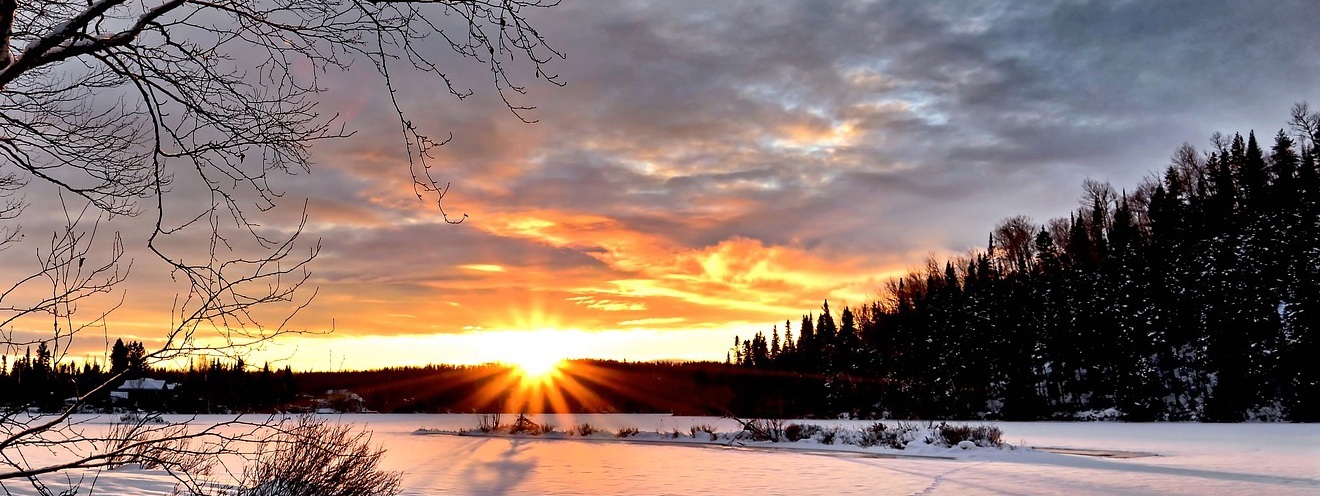
NEW YORK: Indigenous and tribal communities across the world are observing the winter solstice on Sunday with ceremonies that emphasize renewal, balance and continuity with the natural world. The solstice, the shortest day and longest night of the year in the Northern Hemisphere, holds spiritual and cultural significance for many Native peoples whose traditions are closely tied to seasonal cycles.
Among several Native American nations, the solstice is viewed as a turning point when daylight begins to return, symbolizing endurance and regeneration. Communities gather for prayers, songs and dances that honor the sun, the earth and ancestral teachings passed down through generations. Some ceremonies are held privately within families or clans, while others involve broader community participation.
In the American Southwest, tribes such as the Hopi and Zuni observe the solstice through rituals connected to agricultural planning and spiritual preparation for the coming year. Sacred sites aligned with the sun’s position are visited, reflecting sophisticated ancestral knowledge of astronomy and landscape.
In Canada, First Nations communities observe the solstice with storytelling, drumming and fires that mark the renewal of life during the darkest time of the year. Elders play a central role, using the occasion to teach younger generations about responsibility to the land and the importance of seasonal balance.
Across parts of Asia, Indigenous and tribal groups also mark the solstice through offerings, communal meals and ceremonies that acknowledge ancestral spirits and natural forces. These practices often blend spiritual observance with practical traditions tied to farming, hunting and winter survival.
In India’s northeastern states, including Manipur, Nagaland and Meghalaya, tribal communities hold ceremonies linked to harvest cycles and clan renewal. Observances often include community feasts, fire rituals and prayers led by elders, reflecting gratitude for the past year and hopes for protection during the remaining winter months.
In China, ethnic minority groups such as the Dong, Yi and Miao mark the solstice with communal meals, ancestor remembrance and offerings to household spirits. These practices exist alongside the broader Dongzhi festival, but retain distinct local meanings tied to lineage, land and seasonal balance.
Across Southeast Asia, Indigenous highland communities in countries such as Vietnam, Laos and Thailand observe the solstice through quiet ceremonies, forest offerings and storytelling. These traditions emphasize harmony with nature and respect for spirits believed to govern weather, crops and health.
In parts of Central Asia, including Mongolia and regions of Siberia, Indigenous peoples observe the solstice as a time of endurance and spiritual protection. Rituals often focus on fire, the hearth and ancestral spirits, reflecting the importance of warmth and communal survival during extreme winter conditions.
In Latin America, Indigenous communities are marking the winter solstice today with ceremonies that reflect ancient cosmologies, agricultural cycles and enduring cultural identity. In the Southern Hemisphere, the solstice coincides with the shortest day of the year and the beginning of the gradual return of sunlight, a moment traditionally associated with renewal and balance.
In the Andean region, Quechua and Aymara communities observe the solstice through Inti Raymi–related rituals that honor the sun as a life-giving force. Ceremonies often include offerings, music and communal gatherings at sacred sites, reinforcing spiritual ties to mountains, land and ancestors.
Across Bolivia and northern Chile, Indigenous groups gather before dawn to greet the rising sun with raised hands and prayers, symbolizing the reception of renewed energy for the agricultural year ahead. The observance remains closely connected to farming calendars and the preparation of fields for future planting.
In parts of Mexico and Central America, Indigenous communities with Mesoamerican heritage mark the solstice with ceremonies at ancient ceremonial centers and local sacred spaces. These rituals reflect longstanding knowledge of astronomy and the seasonal movement of the sun, integrated into broader spiritual and communal practices.
In southern South America, Mapuche communities in Chile and Argentina observe the solstice, known as We Tripantu, as a new year marked by purification rituals, storytelling and community meals. The observance emphasizes renewal, respect for nature and the transmission of cultural values across generations.
While practices vary widely, the winter solstice remains a unifying moment for Indigenous and tribal peoples, reinforcing cultural identity and resilience. For many communities, the observance is not only a reflection on the past year but also a reaffirmation of continuity in the face of social, environmental and political change.
Click here to follow our WhatsApp channel and get instant updates