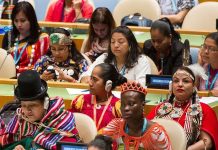
NAIROBI (Kenya): Pacific scientists and Indigenous representatives warned against advancing deep-sea mining at a major global environment summit in Nairobi, saying exploitation of the ocean floor could inflict lasting damage on marine ecosystems and cultural heritage. At the seventh session of the United Nations Environment Assembly, a Pacific wetlands scientist addressed delegates on behalf of biodiversity and ethno-biodiversity experts from 22 Pacific Island countries, urging member states to rethink resolutions that would push deep-sea mining forward. They described the deep-sea zones of the South Pacific as more than ecological systems, calling them sacred, interconnected spaces central to Indigenous identity, culture and survival, and emphasized that the seabed acts as a biocultural bank that must be preserved for future generations. Indigenous leaders echoed those concerns, asserting that deep-sea mining threatens the foundations of Pacific Indigenous life by disrupting cultural ties to the ocean and warning of potential “biocultural bankruptcy” if protections are not strengthened. Pacific Island experts said deep-sea ecosystems support biodiversity that is tightly linked to regional cultures and warned that mining could permanently damage both marine environments and cultural heritage. Pacific nations have a history of caution on seabed mining and in some cases have called for moratoriums or bans on extraction to allow for comprehensive scientific assessment and community consultation. Deep-sea mining has been under international debate for years as countries explore the potential for extracting metals such as nickel, copper and manganese from polymetallic nodules on the seafloor, with proponents citing their use in clean energy technologies and critics pointing to unknown ecological risks. Opponents argue that disruption of seabed habitats could affect fisheries, marine life and carbon storage, and that legal and regulatory frameworks such as those under the International Seabed Authority need to prioritize environmental safeguards before any commercial activity proceeds. Pacific Island countries have been divided over the issue, with some advocating for a pause on deep-sea mining until its impacts are fully understood and regional scientific and policy coordination is strengthened, while others explore opportunities linked to mineral resources. The warnings at the global summit highlight the broader concern among small island states that development models must balance economic opportunities with the protection of marine ecosystems and the cultural rights of Indigenous communities that depend on the ocean for livelihood and identity.
Click here to follow our WhatsApp channel and get instant updates