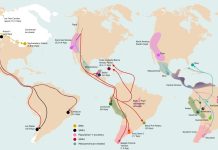

LIMA (Peru): Nearly half of the world’s uncontacted Indigenous tribes could disappear within the next decade unless governments and companies take decisive action to protect them, according to a report by a global Indigenous rights group. The report identifies about 196 uncontacted groups across at least 10 countries, most of them in the Amazon basin, who live in voluntary isolation to safeguard their health, culture and autonomy.
Uncontacted peoples subsist through traditional hunting, fishing and small-scale cultivation and deliberately avoid contact with outsiders after generations of violence, slavery and disease brought by earlier colonization efforts. Modern incursions by logging firms, mining interests, agricultural expansion and criminal elements have increasingly breached their territories, raising the risk of deadly conflict and the spread of disease to which isolated communities have little or no immunity.
Experts say the greatest threats come from extractive industries and illegal activities that destroy forests and penetrate remote areas, forcing tribes into contact. Even routine respiratory illnesses that pose minimal risk to the outside world can be fatal for isolated groups. International law recognizes the right of Indigenous peoples to remain uncontacted if they choose, but enforcement of protections remains inconsistent.
The report calls for stronger legal safeguards, formal recognition and enforcement of Indigenous territories as off-limits to extractive projects, and global efforts to respect the autonomy of uncontacted peoples. Without such measures, advocates warn that many of these communities, some of which number only a few hundred individuals, may be lost forever, along with languages and cultural practices that have endured for centuries.
Click here to follow our WhatsApp channel and get instant updates