TAIPEI (Taiwan): Taiwan’s education authorities are expanding immersion programs designed to bolster the use of Indigenous languages among K-12 students, in a bid to preserve linguistic heritage and strengthen cultural identity among young learners.
In a press release, the K-12 Education Administration, part of the Ministry of Education of the Republic of China (Taiwan), said the immersion initiative goes beyond traditional classroom instruction by placing equal emphasis on language use and cultural context. Under the program, schools combine their own educational strengths with local community resources to encourage students to use Indigenous languages in everyday communication and cultural activities.
The approach helps students understand the cultural settings in which Indigenous languages are used and gradually build a sense of identity tied to Taiwan’s Indigenous heritage, the press release said. Taiwan is home to a number of Indigenous groups, each with distinct languages that have been under pressure from dominant Mandarin use for decades, prompting concerns about language decline.
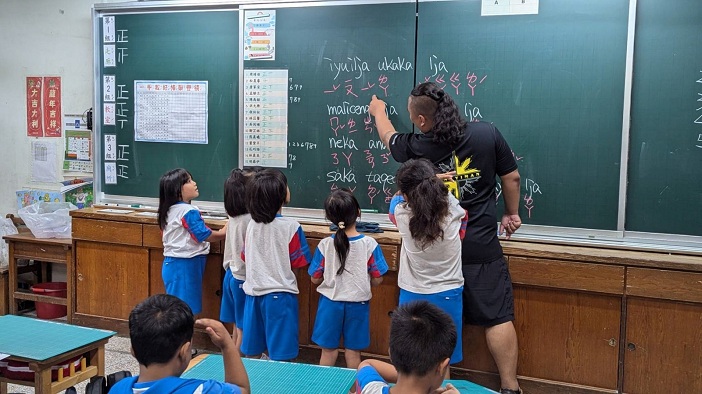
The immersion program has been woven into the regular curriculum in several schools. Teachers work with tribal youth and traditional skills instructors drawn from local communities to support language development and cultural transmission. These community partners assist in classroom sessions and cultural activities, enabling students to engage with language in practical, socially rooted ways.
These classes focus on practical daily communication, appreciation of traditional songs, and cultural skills, alongside basic everyday knowledge. It reflects an effort to make Indigenous languages relevant to the lives of students beyond formal lessons, it said.
Traditionally, Taiwan’s Indigenous language instruction has faced challenges such as limited teaching hours and a lack of fluent speakers in classroom settings. The immersion model seeks to address these limitations by embedding language use throughout the school day and connecting it with cultural traditions, such as song and storytelling that reinforce both linguistic skills and cultural understanding.
Immersion programs will continue across the country, allowing schools with students from multiple Indigenous groups to offer courses in more than one language concurrently. A previous guideline restricting schools to a single Indigenous language class has been lifted to accommodate diverse student populations and to support broader language exposure, the press release said.
The initiative aligns with Taiwan’s broader efforts in recent years to revitalize local languages and cultures. Indigenous languages were officially recognized in Taiwan’s language development policy, and successive education reforms have aimed to integrate these languages into school curricula and public life. The government has also marked days such as International Mother Language Day to raise awareness of linguistic diversity.
Experts said the immersion approach argue that creating environments in which Indigenous languages are “seen, heard and used naturally” will strengthen inter-generational transmission and contribute to cultural resilience. Language experts say that immersion, when combined with active community involvement, has been effective in other contexts for reversing language loss trends, though long-term success will depend on sustained commitment and resources. However, the challenge is to find teachers fluent in Indigenous languages and sufficient funding to develop comprehensive materials. This might be tackled through partnerships with local communities and involvement of tribal members in instruction.
The Education Administration said data on student outcomes from the pilot immersion programs will inform future expansions, with the goal of making Indigenous language learning a vibrant part of school life across Taiwan.
Click here to follow our WhatsApp channel and get instant updates