
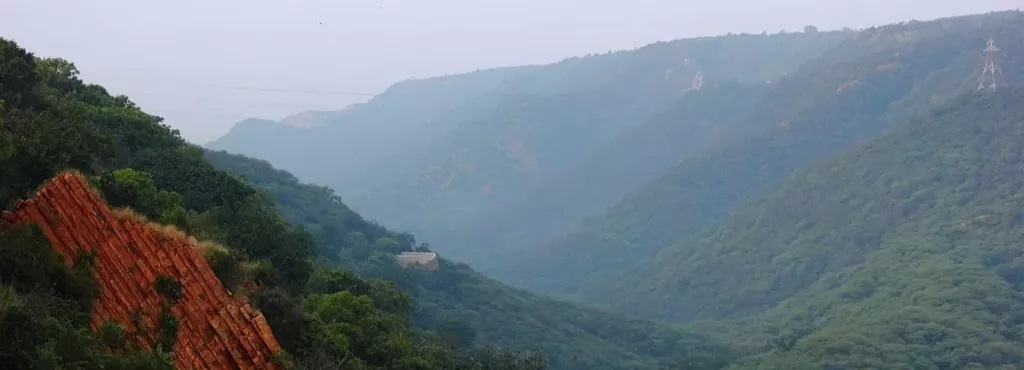
NEW DELHI (India): Environmental activists will launch a 700-kilometre Aravalli Sanrakshan Yatra (Aravalli Conservation March) through four states of India on January 24, 2026, to protest what they describe as an exclusionary judicial and government process in defining protection norms for the ancient Aravalli Range, days after the Supreme Court kept in abeyance its own earlier order on the subject. Activists say communities directly affected by mining and environmental degradation have been sidelined and are demanding a transparent, participatory framework that reflects ground realities.
The Aravalli range, one of the world’s oldest fold mountains stretching across Gujarat, Rajasthan, Haryana and Delhi, plays a critical ecological role in regulating climate, recharging groundwater, sheltering biodiversity and acting as a barrier against desertification. For decades, mining has scarred large parts of the hills, prompting conservationists to seek stronger safeguards. At the centre of current contention is a Supreme Court-approved redefinition of the Aravallis that hinges on a 100-metre elevation criterion, a measure that critics say would exclude large swathes of ecologically sensitive land from protection and thereby open them up to mining and development pressures.
On January 21, a bench of the Supreme Court led by Chief Justice Surya Kant heard the matter again, following widespread protests by experts, citizens and environmental groups. The court has stayed its November 20 ruling, which accepted a definition based on landforms rising above 100 meters, and signaled intentions to constitute an expert committee of scientists, forestry specialists and mining experts to review the criteria with scientific rigor. The panel is expected to help clarify how protections should be delineated across the vast and varied terrain of the Aravalli region.
Despite this development, leading activists expressed dissatisfaction that intervention applications submitted by people who live in and depend on the hills, including villagers, tribals, miners’ families and grassroots conservationists, were not accepted for the January hearing. They noted that only a limited number of parties, including an amicus curiae and select advocate representations, were heard. “Why were intervention applications by people impacted by the destruction of the Aravallis not accepted?” asked one of the organizers.
Addressing a press conference here today, prominent environmentalist Dr Rajendra Singh, known for his work in water conservation, said the activists will not allow further degradation of the range. He argued that the mountains are central not only to ecological health but also to cultural heritage and livelihoods that have evolved around them over centuries. Activists advocate that protection should extend to all features that support watersheds, wetlands, wildlife habitats and groundwater recharge irrespective of arbitrary elevation cut-offs, and have called for the Aravalli region to be declared a Critical Ecological Zone.
The Yatra will commence in Gujarat and is scheduled to traverse through 3 districts in Gujarat, 27 in Rajasthan and 7 in Haryana before culminating in Delhi after around 40 days. Along the way, organizers intend to engage rural communities, highlight the environmental and socioeconomic impacts of mining, and build wider public support for comprehensive safeguards.
Among their key demands are the inclusion of mining-affected community representatives in the newly constituted High Powered Committee, and an independent, cumulative social and environmental impact assessment covering forests, rivers, groundwater, agriculture, health and livelihoods. They also want clear accountability for ecological damage and legal mechanisms to prevent further encroachment, waste dumping and land degradation.
The dispute over how best to define and protect the Aravalli hills has underscored deeper questions about governance, participatory rights and balancing development with environmental sustainability. Activists believe the march will amplify voices from the heart of the affected regions and press for binding commitments that go beyond technical definitions to ensure the long-term preservation of the mountain ecosystem.
Click here to follow our WhatsApp channel and get instant updates