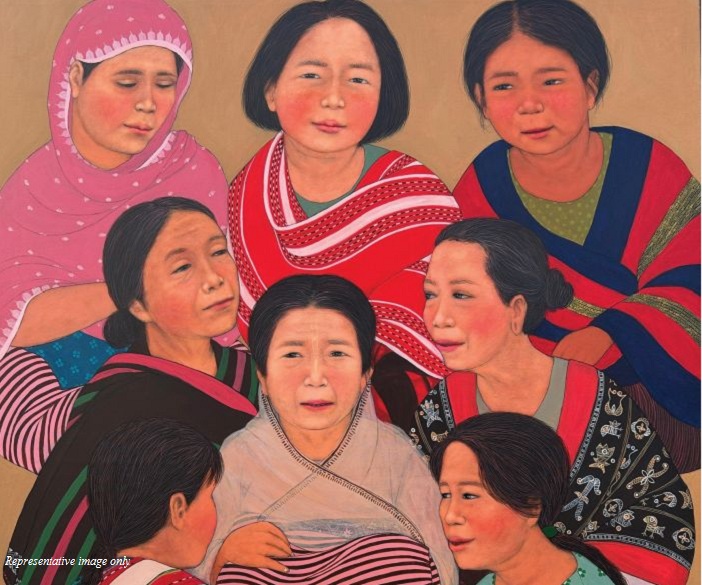
NEW YORK (United States): Indigenous leaders, elders, mediators, women representatives and youth from around 80 countries of the world have gathered in New York for the Second Global Summit on Indigenous Peace-Building, a two-day international meeting focused on strengthening Indigenous-led approaches to peace, conflict resolution and environmental protection.
The summit, being held over the weekend, brings together more than 150 delegates from Indigenous communities across different regions. According to organizers, the meeting aims to elevate Indigenous perspectives in global peace efforts at a time when conflicts and environmental pressures are increasingly affecting Indigenous territories.
The gathering builds on the first Global Summit on Indigenous Peace-Building that was held in Washington in 2024, which brought together Indigenous leaders and contributed to the creation of a global network of Indigenous peace-builders, mediators and negotiators. The earlier summit highlighted the need to include Indigenous communities in formal peace processes, noting that they are often excluded despite being directly affected by conflict and resource-related disputes.
A key theme of the 2026 summit is the growing impact of global conflicts on Indigenous populations. Organizers have pointed to concerns that a large share of the world’s conflicts occur in biodiversity-rich regions where Indigenous peoples live. These areas are often under pressure from competing demands for land, energy and natural resources, leading to displacement and environmental degradation.
In a statement issued here, the organizers said: “Nearly 80 per cent of the world’s conflicts today take place in biodiversity-rich regions where Indigenous peoples live. As global demand intensifies for land, energy and natural resources, Indigenous territories are increasingly becoming frontlines of conflict resulting in displacement, loss of life and environmental degradation.”
Participants are discussing ways to integrate Indigenous knowledge systems into international peace-building frameworks. These systems are based on long-standing cultural practices, community governance structures and traditional approaches to mediation and conflict resolution that have been used for generations within Indigenous societies.
The summit also includes discussions on expanding Indigenous participation in global institutions. Proposals linked to the meeting include strengthening Indigenous representation in United Nations processes and promoting long-term initiatives aimed at conflict prevention and reconciliation. Organizers have also highlighted plans to build broader global cooperation among Indigenous peace-builders through networks that connect communities across regions.
Alongside policy discussions, the summit features cultural exchanges and recognition of Indigenous peace-builders who have contributed to community reconciliation efforts. Organizers say such platforms are intended to strengthen dialogue between Indigenous knowledge systems and formal international peace mechanisms.
Click here to follow our WhatsApp channel and get instant updates