
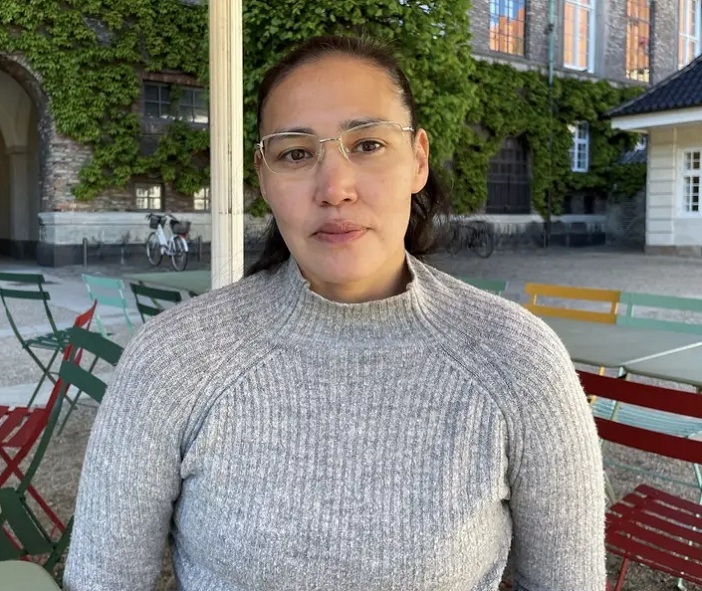
COPENHAGEN (Denmark): A Greenlandic woman has won a landmark ruling in Denmark’s Western High Court after judges found that the immediate removal of her newborn daughter in 2024 was unlawful, in a case that has intensified scrutiny of child welfare practices involving Greenlandic families.
Keira Alexandra Kronvold’s daughter Zammi was taken into state care just two hours after birth in November 2024. The removal was based on so-called parental competency assessments, known as FKU tests, which are psychological evaluations used by Danish municipalities in child protection decisions. The tests have been widely criticized by human rights organizations and Greenlandic representatives for being biased against Inuit and Greenlandic people, particularly due to cultural and linguistic differences.
Kronvold, whose first language is Kalaallisut, was subjected to the test conducted in Danish during her pregnancy. After removing her newborn daughter, Danish authorities allowed her only one monitored hour of visitation per week. Kronvold has previously lost custody of two other children, reportedly after taking a similar parenting test in 2014.
In its ruling, the High Court found that the assessments used in Kronvold’s case were outdated and did not meet required standards for evaluating Greenlandic families under relevant international conventions. Judges concluded that the decision to remove the child at birth was not lawful because it relied on an insufficient and inappropriate evidentiary basis.
The court found that the removal of Zammi, now 18 months old and living with a Danish foster family, was illegal and in breach of Kronvold’s fundamental legal rights under the International Labor Organization (ILO) Indigenous and tribal people’s convention of 1989. It also ruled that the tests used to make the decision were outdated.
However, the ruling does not automatically result in the child’s return, as custody arrangements remain in place under separate proceedings. Kronvold has to continue her legal efforts to regain care of her daughter. Earlier, Kronvold lost a case in a lower court to be reunited with her daughter. Her lawyers now plan to also take that case to the high court in the hope of overturning it.
This is the first time the Danish high court has ruled on the matter and is expected to have substantial repercussions for Greenlandic parents and their separated children dating back as far as 1996, when Denmark ratified the ILO convention.
The decision follows years of controversy over Denmark’s use of FKU testing in child welfare cases involving Greenlandic families. Critics have argued that the tests can underestimate cognitive abilities or parenting capacity when applied across cultural and linguistic contexts. In 2025, the Danish government discontinued the use of such standardized psychological tests for Greenlandic families and introduced alternative advisory mechanisms intended to better account for cultural differences.
Kronvold’s case has also drawn international attention, including from United Nations experts, who have raised concerns that the removal of Greenlandic children based on these assessments may amount to ethnic discrimination.
Legal experts say the ruling could have implications for other similar cases involving past child removals based on the same testing system, potentially opening the door to further appeals or compensation claims. However, each case will depend on its individual facts and legal process.
Click here to follow our WhatsApp channel and get instant updates