The Southern Sierra Miwuk Nation has regained ownership of nearly 900 acres of land bordering Yosemite National Park, a significant moment in the tribe’s long struggle to reclaim territory it once inhabited. This land transfer marks the first major property acquisition by the tribe in modern times and a reversal of a displacement that began about 175 years ago during California’s Gold Rush era, when settlers forced Indigenous peoples from their homelands.
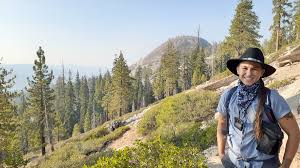
The parcel of land is located along Henness Ridge, a scenic and ecologically important area just west of the park and adjacent to the Sierra National Forest. The ridge overlooks canyons of the Merced River and stretches toward the Central Valley, forming part of a landscape that provided traditional resources, trails, and gathering grounds for the Southern Sierra Miwuk and related Indigenous communities for thousands of years before colonial settlement.
For decades, the property was held by the Pacific Forest Trust, a conservation nonprofit that acquired it about twenty years ago to prevent commercial development such as vacation home construction. The trust’s long-term plan was to protect the land’s natural environment and eventually restore it to Indigenous stewardship. The California Natural Resources Agency supported this effort with a state grant that helped underwrite the final transfer to the Southern Sierra Miwuk Nation.
Tribal leaders described the return as a deeply meaningful homecoming. Having control of Henness Ridge allows the community to resume cultural, spiritual, and ecological practices that were disrupted by historical displacement and loss of land. Sandra Chapman, tribal council chair and elder, framed the transfer as a sanctuary where tribal members can gather, celebrate traditions, and reinforce community ties for future generations.
With ownership restored, the tribe plans to manage the land using traditional ecological knowledge. This includes prescribed or cultural burns, restoration of native plants and pollinator habitats, and activities that support food sovereignty and traditional resource harvesting. Tribal officials also emphasized their intention to protect the water quality of streams feeding tributaries of the Wild and Scenic South Fork Merced River, part of the broader watershed linked to Yosemite.
The restoration of land is also intended to strengthen the Southern Sierra Miwuk’s ongoing campaign for federal recognition, which they have pursued for decades. Achieving federal recognition would formally acknowledge the tribe’s sovereign status and could provide access to additional government resources, legal rights to place more land into trust, and greater capacity for self-determination.
The acquisition of this territory reflects a broader movement in California and across the United States to return ancestral lands to Indigenous nations and integrate traditional stewardship practices into environmental conservation. State programs like the Tribal Nature-Based Solutions initiative have facilitated similar transfers, returning thousands of acres to tribes and highlighting the cultural and ecological importance of Indigenous land management.
For the Southern Sierra Miwuk Nation, the returned land is seen not just as property but as a restored connection to history, identity and responsibility for caring for the landscapes their ancestors lived on for millennia. It provides a tangible place where heritage can be practiced and passed down, and it contributes to ongoing efforts to heal historical wounds caused by displacement and dispossession.
Disclaimer: This website is under trial.
Click here to follow our WhatsApp channel and get instant updates from this website