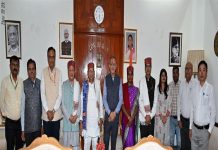
RANCHI: The National Tribal Tourism Conference 2025 was held in Ranchi recently. It brought together policymakers, academicians, spiritual leaders, tourism professionals and students to deliberate on the promotion of tribal heritage through inclusive, responsible and sustainable tourism.
The conference focused on highlighting tribal culture, heritage and cuisine as key drivers of tourism development, while ensuring that economic benefits reach indigenous communities without compromising their identity and traditions. The event also aimed to project Jharkhand as a destination offering authentic tribal and cultural tourism experiences.
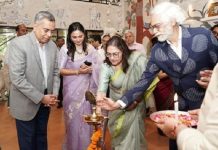
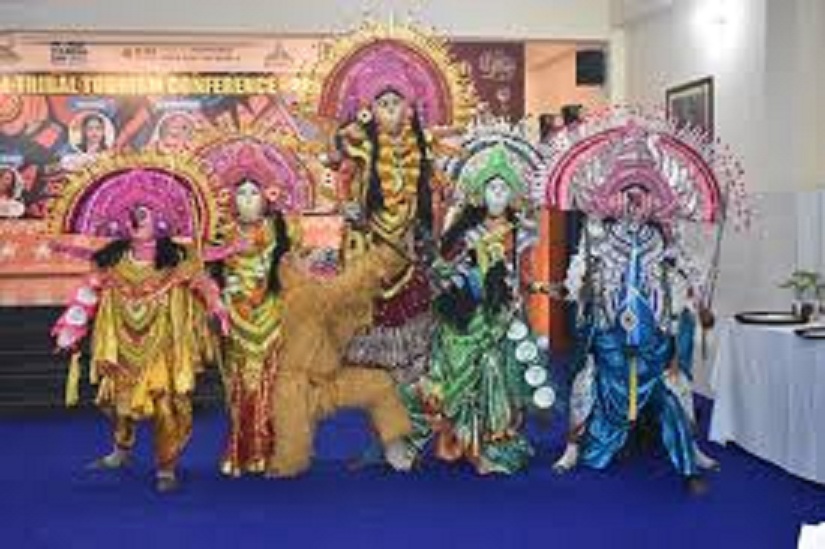
The programme began with a ceremonial lamp lighting, followed by a traditional Ganesh Vandana and a Chhau dance performance by the State Manbhumi Chhau Dance Centre from Silli, showcasing the rich cultural legacy of the region.
Ms. Vijaya Jadhav, Director of Tourism, Government of Jharkhand, attended the conference as Chief Guest. In her address, she emphasized the need to promote tribal art, food, festivals and traditions through tourism in a manner that preserves authenticity and supports sustainable development. She pointed out that Jharkhand possesses strong tourism potential and highlighted the role of tribal communities in practicing gender equality and environmentally conscious lifestyles. She also underlined the importance of collective responsibility in tourism development and suggested expanding the conference to an international platform in the future.
Swami Bhaveshanand, Secretary of Ramakrishna Mission Ashram, Ranchi, spoke on the interdependence of natural resources, culture and livelihoods. He stressed that forests, water, land, local cuisine and homestays are deeply connected to tourism and economic growth, and called for a collaborative approach to responsible tourism.
Presiding over the event, Dr. Bhupesh Kumar, Principal of the Institute of Hotel Management (IHM), Ranchi, said the conference aimed to move beyond academic discussion to actively promote Jharkhand’s tribal culture and cuisine at the global level. He highlighted the state’s potential for adventure tourism and described tribal villages as micro-economies capable of offering meaningful and sustainable tourism experiences. He also announced plans to scale the conference to an international level in the coming years.
The conference featured keynote addresses and technical sessions on sustainable hospitality inspired by tribal culture, tribal cuisine as a catalyst for culinary tourism, ethical tourism models, and the integration of cultural heritage with tourism development. Researchers and professionals presented papers on community-led tourism, cultural preservation and sustainable economic practices, reinforcing the role of tribal tourism in inclusive growth.