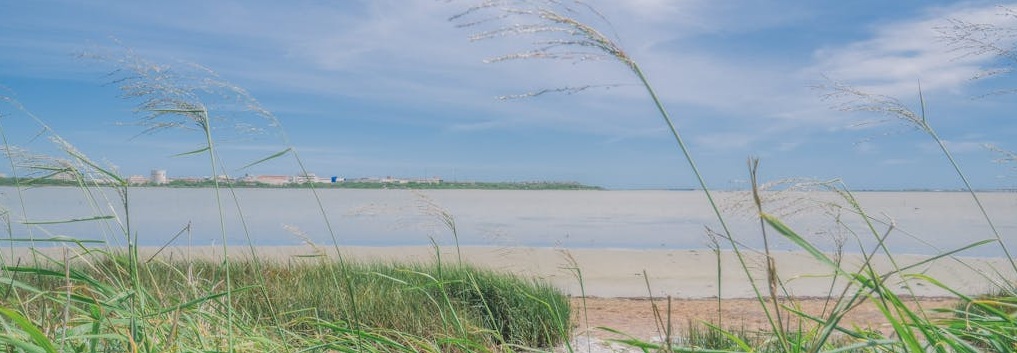
INGLESIDE (United States): Indigenous groups in South Texas have launched a campaign to protect a recently rediscovered ancient settlement site at Donnel Point on Corpus Christi Bay from planned industrial development. The site, once thought lost to mid-20th-century dredging, contains shell middens and other archaeological evidence of long-term habitation by peoples ancestral to today’s Karankawa and Carrizo/Comecrudo communities.
Lawyers for the tribes have asked the US Army Corps of Engineers to revoke an existing permit that could allow construction of an oil terminal on the site, one of the few undeveloped tracts along nearly 70 miles of shoreline in a heavily industrialized coastal zone. Archaeologists first documented the settlement in the 1930s, but it was believed destroyed until a local geologist identified features last year while boating on the bay and confirmed its location with historical records.
Descendants of Karankawa communities, long marginalized and not federally recognized, argue the site holds cultural and historical significance that challenges narratives of Indigenous disappearance in the region. They say the settlement reflects a densely inhabited landscape supported by abundant marine resources, contrary to depictions of sparse pre-settler populations.
Under current law only federally recognized tribes have legal protections for ancestral sites, leaving groups such as the Karankawa and Carrizo/Comecrudo with limited means to halt development. Preservation efforts would require action by the Texas Historical Commission and potentially new federal reviews, a process complicated by the site’s ownership by the Port of Corpus Christi Authority and the region’s economic ties to the oil and gas industry.
Historically, the Karankawa were Indigenous peoples who inhabited the Texas Gulf Coast for centuries before European colonization and U.S. settlement drastically reduced their numbers through disease, displacement and conflict. Many scholars now recognize descendants of the Karankawa and affiliated groups continue to live in the region, maintaining cultural ties despite a legacy of erasure in official records and historical markers.
Click here to follow our WhatsApp channel and get instant updates