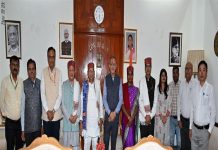

GUWAHATI (Assam, India): An organization of tribal students in the Indian state of Assam has petitioned the country’s President to reject the state government’s move to grant Scheduled Tribe status to six major ethnic communities, warning it would dilute protections for existing tribal groups. The All Assam Tribal Students’ Union submitted a memorandum urging President Droupadi Murmu to intervene against the inclusion of Tai Ahom, Chutia, Koch-Rajbongshi, Matak, Moran and Tea Tribes (Adivasis) in the ST list. The union said the communities do not meet established criteria for tribal classification and that adding them could overwhelm reservation quotas and welfare benefits meant for the 14 recognized tribes in the state.
The demand for Scheduled Tribe recognition for the six communities has been under discussion for years, with Assam’s Group of Ministers recommending their inclusion and the state cabinet approving the report, which was tabled in the Assam Assembly. Proponents argue that these groups, many currently listed as Other Backward Classes, face socio‑economic disadvantages and deserve constitutional safeguards, political representation and access to reserved jobs and educational opportunities. Opponents say the proposal risks undermining safeguards for existing tribal communities whose population and reserved quotas could be vastly outnumbered by the larger new additions.
The controversy has sparked protests across the state, including rallies and student demonstrations, reflecting deep divisions within Assam’s indigenous population over how tribal status should be defined and who should benefit from constitutional protections. Assam’s Chief Minister has called for dialogue with protesting groups, asserting that any extension of ST status can be managed without affecting the rights of current tribal communities. The issue continues to shape political debates ahead of the state’s upcoming assembly elections, as demands for tribal recognition and fears of dilution of tribal identity and resources remain at the forefront of regional tensions.
Click here to follow our WhatsApp channel and get instant updates