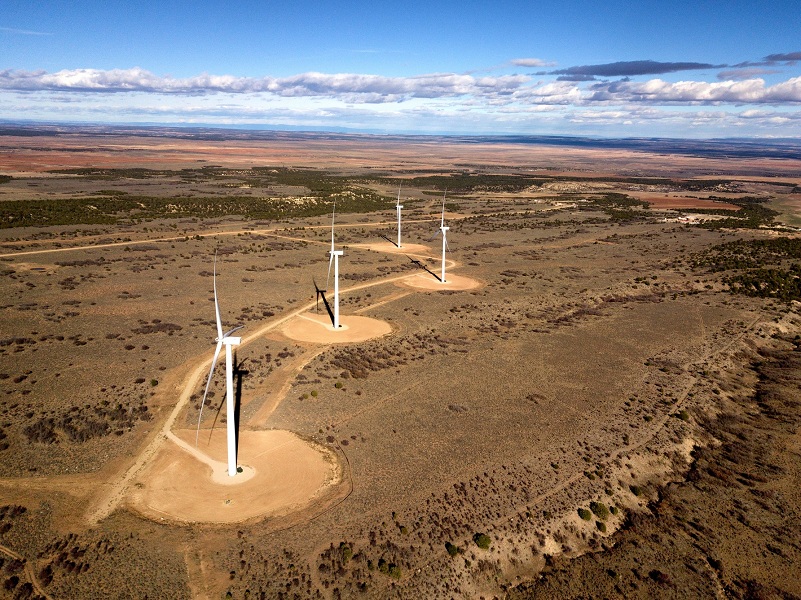
WASHINGTON (United States): The United States government has announced that the Tribal Energy Development Capacity Grant Program will open in the first quarter of 2026, offering tribal governments and federally recognized tribal entities new funding opportunities to build capacity to manage and regulate energy resources on tribal lands. The Bureau of Indian Affairs program will provide awards ranging from ten thousand dollars to four hundred fifty thousand dollars to support development of energy offices, utility authorities and tribal business entities focused on resource management, long-term planning and sustainable energy strategies. Eligible activities include feasibility studies, policy development, legal code updates related to energy projects, and rights-of-way activities that help tribes negotiate agreements, monitor compliance and strengthen regulatory frameworks for energy initiatives. The grant program is intended to help tribes maximize economic benefits from energy development, address infrastructure gaps and increase tribal control over energy resources historically dominated by external interests.
In the same legislative session, lawmakers introduced the Tribal Internet Expansion Act of 2025, a bill aimed at closing persistent broadband gaps in Indian Country. The measure would update the Communications Act of 1934 to explicitly include provisions for expanding telecommunications and information services to tribal communities, many of which still lack access to reliable, high-speed internet. Sponsors of the bill emphasized that access to broadband is essential for education, health care, public safety and economic growth, and that current federal programs have not adequately served rural, insular and high-cost areas where tribal lands are often located. By strengthening the Universal Service Fund and prioritizing tribal needs, the legislation seeks to bring affordable, dependable internet service to underserved Native communities. Tribal leaders have widely supported the effort, saying that improved connectivity will help students access remote learning opportunities, allow patients to tap into tele-health services and support tribal businesses in competing in a digital economy.
The announcement of the energy grants and internet expansion legislation comes amid broader federal engagement with issues affecting American Indian and Alaska Native communities, including efforts to support tribal sovereignty, economic development and infrastructure modernization. Historically, tribes have faced significant barriers in securing equitable access to federal programs, with energy infrastructure and telecommunications among the most persistent challenges. Many reservations and tribal lands have aging or inadequate power systems and limited broadband service, conditions that advocates say contribute to disparities in health, education and economic outcomes. The new federal programs aim to address these gaps by empowering tribal nations to set their own energy priorities and improve digital connectivity.
Tribal energy initiatives are expected to play a role in economic diversification as tribes explore renewable energy projects, micro-grid installations and community-based utility models that reduce dependence on external providers. The capacity grants are structured to help tribes build the institutional expertise necessary to negotiate with developers, manage regulatory requirements and pursue long-term energy planning. Meanwhile, the tribal internet bill seeks to leverage existing federal resources in a way that ensures Indian Country receives a fair share of investment in broadband infrastructure.
Tribal leaders and advocacy groups have welcomed both initiatives, noting that improved energy management and internet access are critical components of self-determination and community well-being. As tribes prepare to apply for grants and engage with lawmakers on the internet expansion bill, they continue to press for federal policies that recognize tribal sovereignty and support infrastructure improvements that benefit current and future generations. The efforts reflect ongoing conversations in Washington about how best to partner with tribal nations on solutions that address long-standing inequities in access to essential services.
Click here to follow our WhatsApp channel and get instant updates