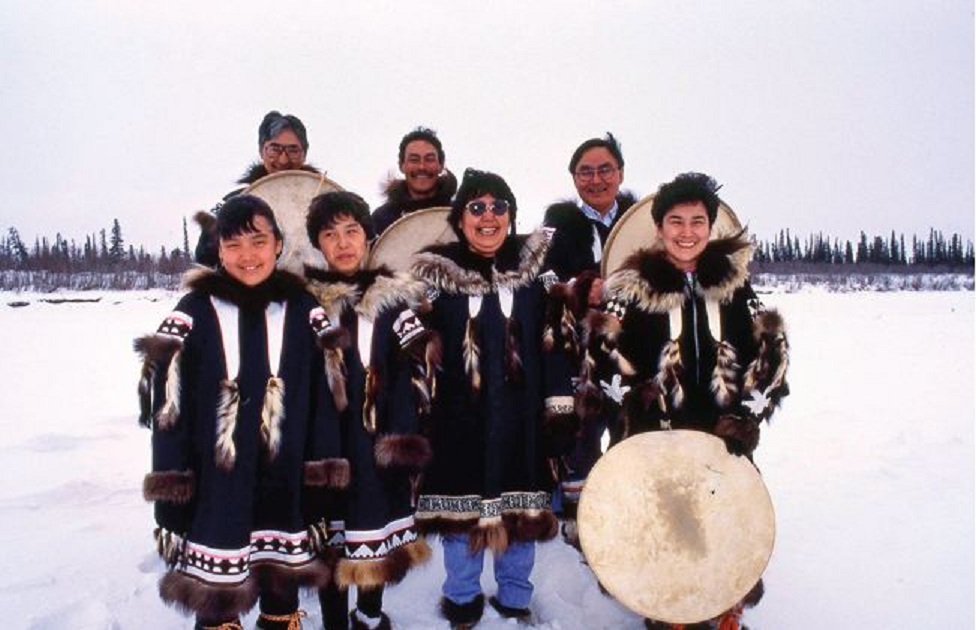
NUUK (Greenland): Greenland’s Indigenous Inuit communities have forcefully rejected any notion that the Arctic island could be bought or sold, responding to renewed interest from the United States in controlling the vast territory. The pushback from local leaders and residents underscores deep cultural and political resistance to external claims over the island’s future, even as global powers vie for influence in the strategically located Arctic region. Greenland, home to about 57,000 people and rich in natural resources, has long been a focus of geopolitical attention due to its location between North America and Europe and its proximity to emerging Arctic shipping routes and mineral deposits. Inuit constitute about 90 per cent of Greenland’s population, and have lived there continuously for the last 1,000 years.
Inuit elders, community representatives and ordinary residents emphasized that Greenlandic land is not privately owned but communally shared, reflecting centuries old traditions and legal frameworks that prohibit individual ownership of the land beneath homes. This collective stewardship concept is central to Inuit identity and has shaped resistance to external narratives that treat the territory as a commodity. Residents in small settlements such as Kapisillit said they find the idea of purchasing their homeland baffling, given that even Greenlanders cannot buy land themselves. The strong emotional response reflects a widespread sense of custodianship and belonging among the island’s Indigenous population.
The latest controversy stems from overtures by US political leaders highlighting Greenland’s strategic value. Statements from Washington have characterized the island as vital for national security and suggested increased American involvement, including potential sovereignty over key military sites or broader control. These comments have reignited debates over Arctic geopolitics, prompting responses from Denmark, which retains legal sovereignty over foreign and security matters for Greenland, and local Greenlandic leaders.
Greenland’s premier and Denmark’s government have both reaffirmed that the island’s future must be determined by its people and institutions. Officials from Nuuk have made clear that Greenland will not become a US territory and have stressed respect for the island’s autonomy within the Kingdom of Denmark. Political parties across Greenland’s parliament have issued joint statements rejecting foreign interference and insisting that only Greenlanders can decide their political and economic destiny.
The current tensions have provoked public demonstrations. In the capital, Nuuk, thousands of Greenlanders marched through snow and ice, waving national flags and chanting slogans emphasizing that “Greenland is not for sale.” Similar protests and solidarity marches in Denmark’s cities highlighted broader European concern over external assertions about Greenland’s status. Campaigners called for respect for Greenland’s self governance and cautioned against treating its people as passive subjects of geopolitical maneuvering.
The backdrop to these events includes Greenland’s long history of self-determination efforts. Indigenous communities have cultivated adaptive lifestyles and governance structures suited to Arctic conditions for centuries. Colonial interaction with Denmark began in the 18th century, but recent decades have seen gradual progress toward autonomy, including home rule and expanded self-government. The debate over the island’s future continues against this complex historical and cultural canvas.
Despite its small population, Greenland now finds itself at the centre of global strategic calculations. As climate change opens new economic and military opportunities in the Arctic, interest from powerful nations is likely to persist. However, the unified Indigenous rejection of any sale or transfer of sovereignty reflects a firm commitment to cultural integrity and political agency. Greenlanders insist that respect for their collective rights and traditional connection to the land must guide any international engagement with the island.
Click here to follow our WhatsApp channel and get instant updates