BRISBANE (Queensland, Australia): Indigenous groups have lodged six cultural heritage protection applications with Australia’s federal government in a bid to stop the construction of a major stadium planned for the 2032 Olympic Games in Brisbane.
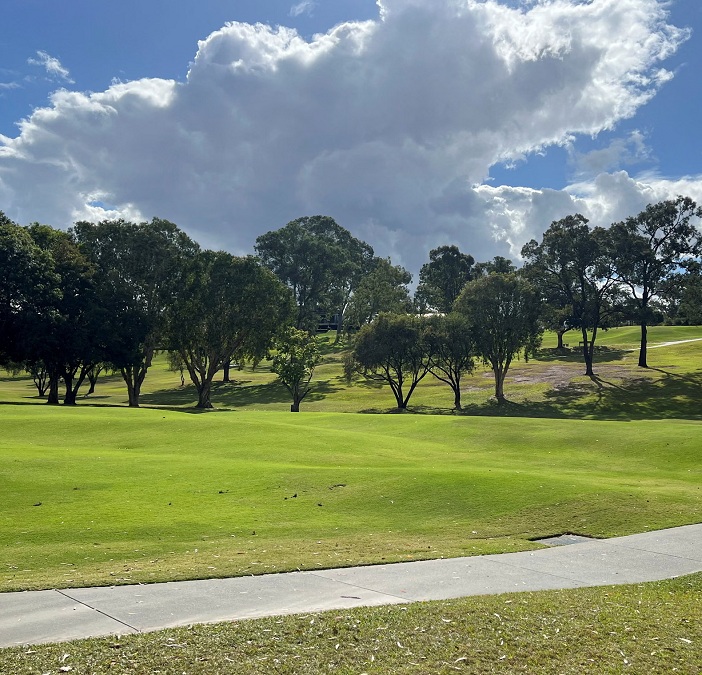
The applications relate to the proposed site at Victoria Park, also known as Barrambin. Several First Nations communities say the site holds deep cultural, spiritual and ancestral significance for them. Federal Environment Minister Murray Watt confirmed the submissions and said authorities are assessing them, with a public consultation process underway.
Applicants representing multiple Indigenous groups argue that the development poses a serious and immediate threat to an area they describe as one of the last remaining culturally significant sites in inner Brisbane. They contend the land has long been used as a traditional gathering place and may contain ancestral remains, ceremonial grounds and artifacts.
The proposed stadium, expected to seat around 63,000 people, is a central element of Brisbane’s infrastructure plan for the 2032 Olympics. It is intended to host the opening and closing ceremonies, besides athletics events, and later serve as a major venue for cricket and Australian rules football.
Despite the objections, the Queensland government has indicated it intends to proceed with the project, with early works scheduled to begin soon. Authorities argue that the development is critical to holding the Games and have already introduced planning measures to streamline Olympic-related construction.
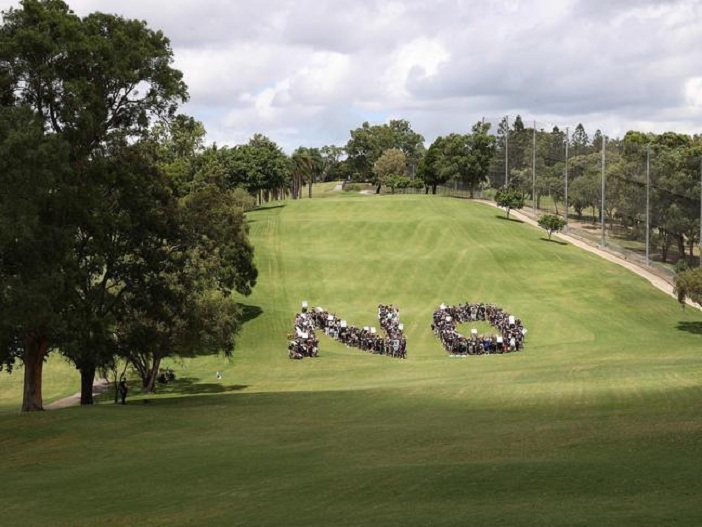
The dispute highlights longstanding tensions between large-scale development and Indigenous heritage protection in Australia. Victoria Park has a documented history as a significant site for Indigenous communities, having served as a meeting ground and, at various times, a settlement area for displaced Indigenous people.
Opposition to the stadium is not new. Indigenous organizations, including the Yagara Magandjin Aboriginal Corporation, have previously sought federal intervention under heritage protection laws, citing concerns about environmental damage and the possible disturbance of culturally sensitive areas.
Earlier attempts to halt preliminary works were unsuccessful, with at least one application rejected by the federal government, although other claims remain under consideration.
It has also been argued that legislative changes designed to fast-track Olympic infrastructure risk undermining Indigenous rights and limiting legal avenues for challenge.
The outcome of the six applications could significantly impact the timeline of one of the Games’ major construction projects. If any are upheld, the federal government has the authority to impose protections that could delay or alter construction plans.
The Brisbane 2032 Olympics are expected to be one of Australia’s largest sporting events, with billions of dollars allocated for new venues and infrastructure. The controversy over Victoria Park underscores the broader challenge of balancing development goals with the preservation of cultural heritage.
Click here to follow our WhatsApp channel and get instant updates