
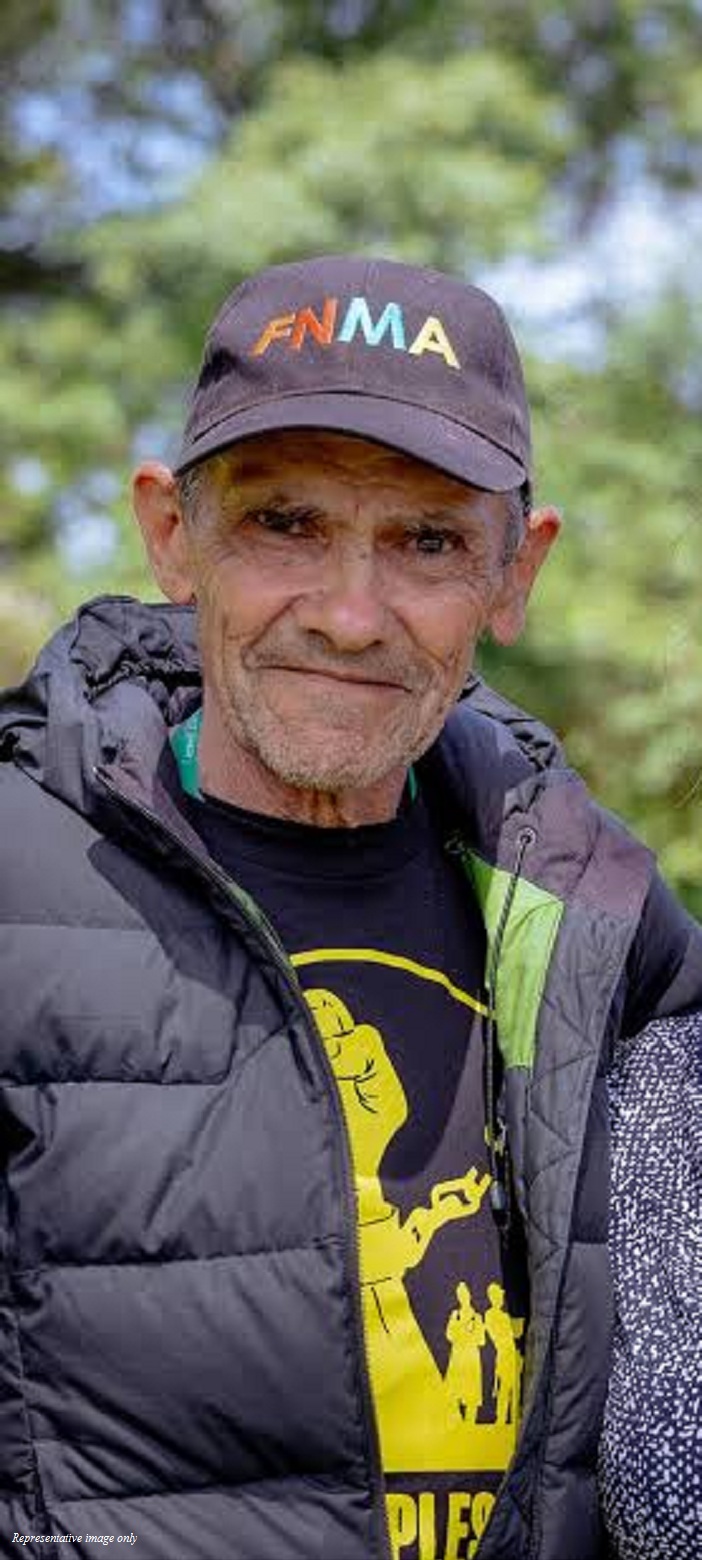
MELBOURNE (Victoria, Australia): A top court in Australia has reserved its decision on whether an Indigenous activist can pursue a private prosecution against British monarch King Charles III over allegations of genocide against Aboriginal Australians, after hearing arguments in a long-running legal effort that has already been rejected by lower courts.
Robbie Thorpe (68), an Indigenous activist and elder, appeared before the Victoria Court of Appeal seeking permission to move criminal charges against the British monarch, who is also Australia’s head of state. Thorpe argues that systemic disadvantage experienced by Indigenous Australians amounts to genocide and that responsibility lies with the Crown and Australian institutions.
During the hearing, Thorpe reiterated claims that Indigenous disadvantage in health, education, employment and incarceration rates demonstrates continuing harm. Indigenous Australians make up about 4% of the country’s population but are disproportionately affected across multiple social indicators, according to official statistics cited in court discussions.
The activist is also seeking to rely on Indigenous legal traditions, arguing they should be considered alongside Australian common law. However, previous court findings have indicated that magistrates are not empowered to apply Indigenous law in the manner proposed in his case.
The three-judge bench did not issue a ruling at the conclusion of the hearing, instead reserving judgment for a later date. If unsuccessful, Thorpe has indicated he may pursue further appeals within Australia, including to the High Court, and potentially take the matter to international legal forums.
The case is based on a broader claim that Australia’s Indigenous population continues to suffer long-term consequences of colonization that began in 1788, when British settlers arrived and seized land without a treaty. Historical policies over subsequent decades included forced removal of children from Indigenous families and restrictions on Indigenous languages and cultural practices, issues widely cited in Australia’s ongoing debate over reconciliation.
Thorpe has previously attempted to initiate proceedings in lower courts, but those efforts were dismissed. Earlier rulings held that genocide is not an offence under Australian common law and that private prosecutions of this nature require specific legal approvals, including consent from the attorney-general for federal charges. The current appeal challenges those findings.
The case has drawn attention as part of wider tensions in Australia over colonial history, constitutional identity, and calls by some Indigenous activists for formal recognition of past injustices. It also comes amid ongoing public debate about the role of the British monarchy in Australia and broader questions of sovereignty.
The court’s decision is expected to clarify whether the private prosecution attempt can proceed or whether it will be definitively blocked under Australian criminal law.
Click here to follow our WhatsApp channel and get instant updates