A collection of 62 Indigenous artifacts that had been held by the Vatican for about a century has been returned to Canada and is now in the care of the Canadian Museum of History in Ottawa. These items include culturally significant objects such as a traditionally built Inuit kayak, soup ladles, needle casings and an ulu knife. The return comes after many years of calls by First Nations, Inuit and Métis leaders for repatriation of objects taken from their communities.
The artifacts were once part of the Vatican Museums’ ethnographic collection, known today as the Anima Mundi museum. Most were sent to Rome by Catholic missionaries in the 1920s for an exhibition, a practice that Indigenous groups and historians say occurred in a context of colonial power imbalance and cultural suppression. Indigenous leaders have long questioned whether these items could truly have been offered freely, given the history of missionary influence and the wider suppression of Indigenous cultures in Canada and elsewhere.
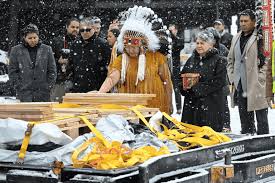
The returned objects arrived in Montreal and were welcomed by Indigenous representatives, including leaders from Inuit organizations. The Inuit kayak, made by hand from driftwood, sealskin and sinew, was among the most prominent items. Indigenous leaders shared the artifacts with small groups of representatives and journalists, explaining how they were traditionally used and their cultural meaning.
For now, the artifacts are being kept in a secure, climate-controlled facility at the Canadian Museum of History. Inuit advisers and other Indigenous experts are working to trace each item back to its community of origin so that they can eventually be returned to the appropriate Nations or regions. Because of this process, the items will not be on public display immediately.
The return of the artifacts is part of broader efforts by the Catholic Church to reckon with its historical role in the suppression of Indigenous culture in the Americas. The Vatican and Canadian Catholic leaders have described the handover as a gesture of respect, dialogue and fraternity, marking a step in ongoing reconciliation work.
Indigenous leaders have welcomed the return but emphasized that it is only one part of a larger movement toward justice and healing. Many communities and advocates argue that repatriation of cultural heritage must continue, and that artifacts held in institutions around the world should be identified and returned to their rightful owners.
The history of how these and other Indigenous objects left their communities reflects a period when Catholic missions played a central role in enforcing policies that suppressed Indigenous traditions and languages. Indigenous groups have linked this history to broader colonial practices, including residential school systems that forcibly removed children from their families and attempted to erase Indigenous identities.
The successful return of these artifacts is seen by many as a significant step, but also as the beginning of further work. Once the artifacts are properly traced and documented, they will be sent to the communities they came from, where they can contribute to cultural revitalization, education and the preservation of Indigenous heritage.