ALBANY (New York State, United States): A proposal to grant official state recognition to an Indigenous community on Long Island has been blocked once again, drawing criticism from Indigenous representatives who say the decision prolongs historical injustice and denies long-sought acknowledgment.
New York Governor Kathy Hochul vetoed legislation that would have recognized the Montaukett Indian Nation, marking the fourth time a bill aimed at affirming the tribe’s status has failed to become law. Indigenous leaders and supporters said the move reflects a persistent lack of understanding of tribal history and identity, while state officials cited unresolved legal and policy concerns.
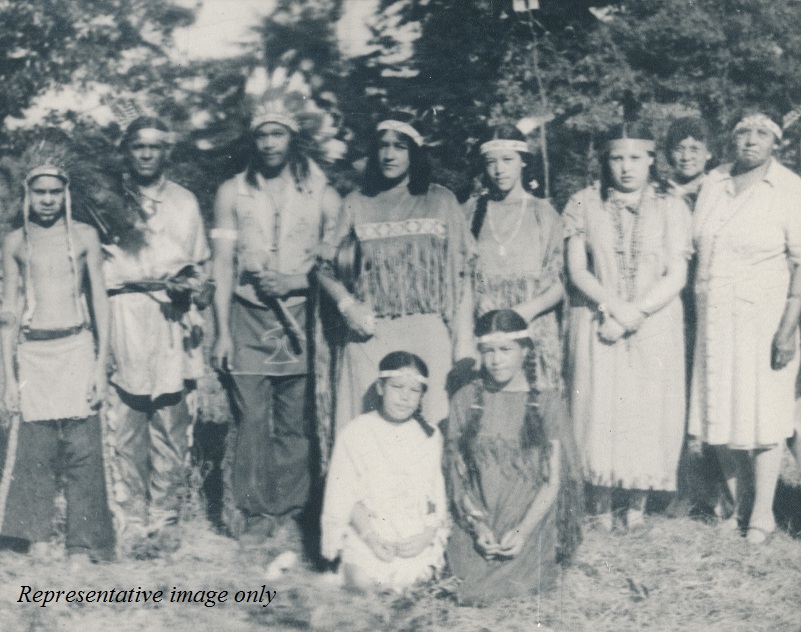
The Montaukett Indian Nation traces its roots to eastern Long Island and has sought state recognition for decades. Supporters of the bill argued that recognition would formally acknowledge the tribe’s historical presence, cultural continuity and survival despite displacement and discrimination. They said it would also allow the Montaukett to better preserve their heritage and engage with the state on cultural and educational initiatives.
The vetoed bill was passed by the New York State Legislature earlier this year after years of debate. Similar measures have been approved by lawmakers on three previous occasions but were blocked each time, either through vetoes or failure to advance. Tribal representatives say repeated rejections have deepened frustration and reinforced feelings of marginalization.
Indigenous advocates criticized the latest decision, saying state recognition does not automatically grant land rights, casino development or other outcomes often cited by opponents. They argue that recognition is primarily symbolic and restorative, intended to correct the historical erasure of Native communities that predate the state itself.
State officials opposing the measure have expressed concern that recognition could complicate existing legal frameworks or lead to future claims involving land or governance. They have also pointed to the absence of federal recognition, which is governed by a separate and more rigorous process overseen by the US Department of the Interior.
Federal recognition differs significantly from state recognition. While federal status can provide access to funding, services and a government-to-government relationship with Washington, state recognition typically affirms historical identity and may offer limited cultural or administrative support. The Montaukett have not received federal recognition, and previous court rulings have questioned aspects of their legal standing, factors that have influenced state deliberations.
The debate over the Montaukett bill reflects broader national discussions about how governments address Indigenous history and identity. Across the United States, tribes without federal recognition often rely on state acknowledgment to validate their existence and protect cultural heritage, even as such efforts face political and legal resistance.
For Montaukett leaders and supporters, the fourth blockage of the bill underscores the challenges Indigenous communities continue to face in seeking recognition and redress. They say the veto delays reconciliation and sends a message that historical grievances remain unresolved, vowing to continue pressing for acknowledgment through legislative and public advocacy channels.
Click here to follow our WhatsApp channel and get instant updates