
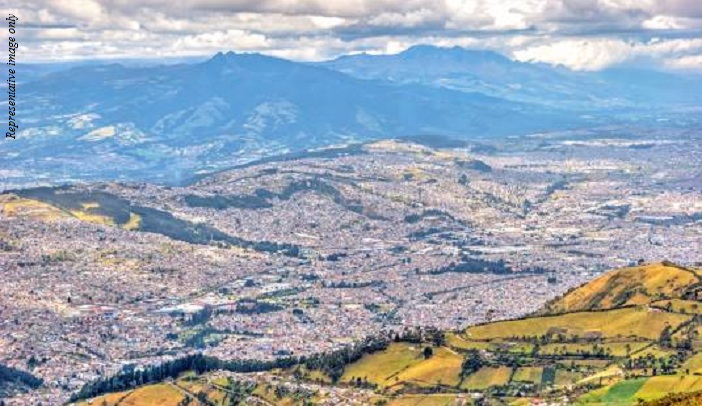
QUITO (Ecuador): Indigenous food systems and traditional ecological knowledge are being highlighted as practical responses to the global cost of living crisis as food prices soar and nutrition declines in many low-income countries. Since 2020, food price inflation has outpaced overall inflation, putting pressure on families to turn to the cheapest available foods and exacerbating chronic malnutrition. Indigenous food practices rooted in principles of circularity, regeneration and stewardship are gaining attention for their resilience and sustainability.
In Ecuador, Indigenous populations have played a central role in shaping national policy by securing constitutional recognition of food sovereignty as a priority, embedding the role of traditional food systems in national food security frameworks. Indigenous-led farmer associations are expanding the availability of diverse and nutritious foods through practices such as inter-cropping and agro-forestry, which increase biodiversity, enhance soil health and bolster food production without heavy dependence on external inputs. These groups supply fresh produce to schools on a weekly basis, helping to tackle chronic malnutrition that affects more than one in five children in the country.
Indigenous communities are custodians of agricultural biodiversity and have maintained a wide range of crop varieties that are naturally resilient to environmental stresses, contributing to localized food security and ecological stability. In coastal regions such as Manabí, Indigenous-run associations like the Puerto La Boca Agro-Artisanal Association have generated steady income by marketing fresh food, demonstrating how traditional practices can support livelihoods while promoting dietary diversity. Economic activities tied to Indigenous food systems also include the restoration and sustainable management of ecosystems such as mangroves, which play a key role in climate adaptation and provide stable sources of income, particularly for women.
Traditional Indigenous knowledge encompasses deep understanding of natural resource cycles and ecological relationships, forming the basis of local responses to economic and environmental shocks. Indigenous Peoples have historically safeguarded vital resources such as seeds and have advanced family farming practices that continue to nourish communities worldwide. Approximately two-thirds of the food consumed in Ecuador originates from smallholder family farms, many guided by Indigenous knowledge systems that emphasize resilience and sustainability.
Across the globe, Indigenous food systems are increasingly recognized as essential components of sustainable food security strategies. Indigenous representatives at international forums have stressed that ancestral food systems not only provide nutritious diets but also support cultural identity, spiritual wellbeing and land stewardship. Indigenous territories host the majority of the planet’s biodiversity, and the revival of agroecological practices offers resilient alternatives to highly industrialized food chains that are vulnerable to climate shocks and economic volatility.
Despite their importance, Indigenous food systems face threats from policies that favor monocultures, corporate control of seeds and industrial agriculture, which can undermine food sovereignty and erode traditional knowledge. Experts emphasize that Indigenous leadership and rights must be upheld and embedded in decision-making processes at national and global levels to transform food systems effectively. National policies should recognize Indigenous communities’ governance over natural resources and support investments in community seed banks, secure land rights and legal protections that enable the cultivation and exchange of traditional crops.
Analysts argue that combining time-tested Indigenous practices with appropriate modern technologies can help build food systems capable of sustaining a growing population while preserving ecological integrity. In light of ongoing economic and environmental challenges, Indigenous food systems are being framed not merely as cultural heritage but as viable, scalable solutions to contemporary crises in food security and nutrition.
Adapted from “Indigenous solutions for the cost of living crisis” by Rosa Rodriguez, published on The Ecologist (14 August 2025), licensed under CC BY 4.0
Click here to follow our WhatsApp channel and get instant updates