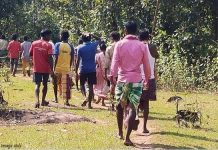

IN A DEEPLY SYMBOLIC yet practical step forward for conservation and community empowerment, the Debrigarh Wildlife Sanctuary in the Indian state of Odisha has inducted its first all-woman anti-poaching squad, where four of the five members hail from local tribal communities. This development is not simply a milestone for gender inclusion; it underscores a growing recognition that Indigenous peoples, particularly women, are indispensable stewards of the Earth’s forests and biodiversity.
Across the world, tribal and Indigenous lands are under severe pressure from expanding industrial development, infrastructure, and resource extraction. A global assessment recently found that nearly six in ten Indigenous lands face threats from energy projects, mining, agriculture, urban expansion and more, fundamentally challenging the rights, livelihoods and ecological knowledge of Indigenous communities. The expansion of such pressure has contributed to biodiversity loss and the weakening of traditional land management practices that for centuries have sustained healthy ecosystems.
Against this backdrop, the initiative in Odisha carries dual significance. First, it highlights the active participation of tribal women in conservation, not as passive beneficiaries, but as empowered protectors of their natural environment. Members of the squad were selected from villages near the sanctuary’s forests, trained in jungle trekking, patrolling, use of camera traps, mobile patrol applications, self-defense and communication tools, and are now part of the front-line enforcement team. Tribal Mirror Their lived experience with the forests, seasonal patterns and proximity to wildlife lends them a contextual awareness that often eludes external enforcement personnel.
Secondly, the squad represents an important shift in how forest protection is framed, from exclusionary models that treat tribal communities as obstacles to conservation, to collaborative frameworks that integrate Indigenous knowledge and local leadership. In many parts of India and beyond, tribal communities have long lived in harmony with forests, often serving as their first line of defense. In Chhattisgarh, for example, groups of tribal women patrol local forests to prevent illegal logging and protect biodiversity. In Assam’s Kaziranga National Park, all-woman teams of forest guards, often drawn from local communities, play a vital role in monitoring and anti-poaching efforts.
Yet, these achievements need to be seen as part of a larger struggle for tribal land rights. Globally, Indigenous territories cover vast areas of the Earth’s terrestrial surface and contain some of its most intact ecosystems. Their traditional systems of land stewardship are linked to lower rates of deforestation and habitat degradation when compared with many non-Indigenous controlled lands. Despite this, Indigenous communities frequently lack formally recognized land rights, and face exclusion from development planning that directly affects their territories.
The Odisha initiative should therefore be celebrated, not merely for its symbolic value, but for what it represents: a model of inclusive conservation grounded in respect for Indigenous agency. It demonstrates that when tribal peoples, especially women, are empowered to lead, the result can be more effective environmental protection and strengthened community resilience.
However, such recognition must extend beyond isolated programs. Governments, conservation bodies and development planners must ensure that tribal rights are legally secured, that free, prior and informed consent is honored in all projects, and that Indigenous voices help shape decisions about land, development and conservation worldwide. In doing so, we affirm a simple truth: protecting tribal lands and empowering Indigenous communities is not just a matter of rights, but is central to safeguarding our planet’s ecological future.
Click here to follow our WhatsApp channel and get instant updates