
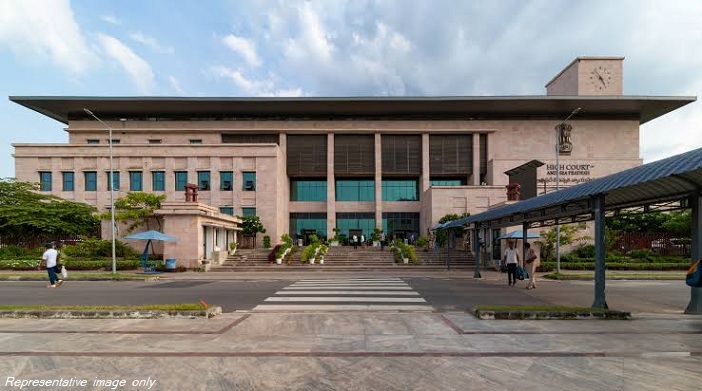
VIJAYAWADA (Andhra Pradesh, India): The Andhra Pradesh High Court has ordered the state government to make publicly available the names and precise boundaries of tribal villages in four districts by publishing them on the Tribal Welfare Department’s website. The directive came earlier this week during a hearing on a public interest litigation (PIL) that highlighted longstanding issues over unclear village demarcations and encroachments into tribal lands.
A bench consisting of Chief Justice Dhiraj Singh Thakur and Justice Challa Gunaranjan directed the government to take necessary steps to upload comprehensive details of tribal village locations and limits. It also directed the government to file a counter‑affidavit within six weeks spelling out the actions taken. The PIL was filed by Venkata Sivaram of the Integrated Tribal Development Society (ITDC) to press for greater transparency and protection of tribal land rights.
Counsel for the petitioner told the court that there are 878 revenue villages under 595 gram panchayats that are classified as tribal or scheduled areas in the erstwhile Srikakulam, Vizianagaram, Visakhapatnam and East Godavari districts. However, the boundaries have not yet been officially fixed. This has allowed non-tribal individuals and entities to occupy fertile lands traditionally used by tribal communities. The petitioner also alleged that illegal mining activities had increased in these areas partly because of the lack of clear demarcation and difficulty in identifying protected lands.
The High Court’s order reflects growing concerns over land rights and legal recognition for tribal populations in Andhra Pradesh. Tribal or scheduled areas are given special protections under the Indian Constitution, including restrictions on transfer of land to non-tribals and specific governance provisions designed to preserve tribal culture and economic well‑being. However, disputes over the status of villages and the precise geographic limits of these territories have persisted for years, complicating efforts to enforce those protections.
Advocates and tribal activists have previously pressed for inclusion of more villages in the scheduled category and firmer legal recognition of existing ones. In several past cases, the High Court has expressed surprise at the removal of hundreds of villages from scheduled area lists or sought government action on unresolved tribal status petitions. Unclear boundaries not only undermine legal protection but also affect delivery of welfare schemes meant for tribal communities.
Click here to follow our WhatsApp channel and get instant updates