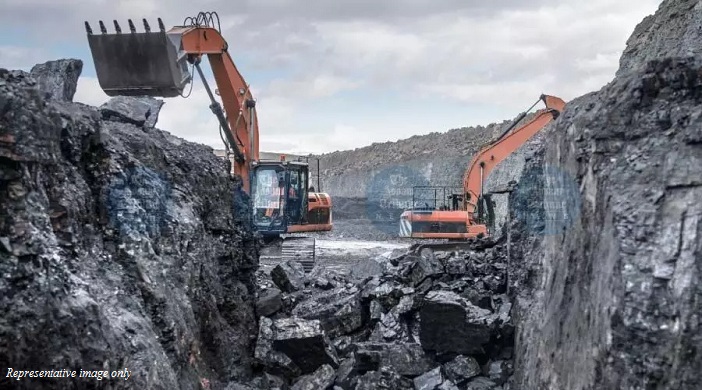
GUWAHATI (Assam, India): Several tribal organizations in Assam have raised strong objections against the North Eastern Coalfields (NEC) Corporation’s proposal for open-cast coal mining in Tinsukia district.
The controversy centers around the impact that the mining project could have on the environment, local communities and traditional tribal lands in the area. These organizations, representing indigenous populations, have warned that mining activities would cause irreversible damage to the region’s ecosystem, including deforestation and the destruction of wildlife habitats. They assert that open-cast mining would exacerbate soil erosion, water contamination and air pollution, which would affect the livelihoods of farmers and other local communities.
The affected area includes land inhabited by several indigenous communities, including the Assamese, tea tribes and various ethnic groups, who live in proximity to the proposed mine. The groups have demanded a thorough environmental impact assessment (EIA) and a public hearing to discuss the potential hazards posed by the project.
Representatives of the organizations and residents of the historic Saliki village allege that NEC, which is a subsidiary of Coal India Limited, has been making unilateral preparations to commence open-cast mining without holding proper consultations with the affected villagers.
The representatives alleged that a No Objection Certificate (NOC) was obtained during a Tirap Colliery Gaon Panchayat meeting without the knowledge or informed consent of the people of Saliki village. They described the move as arbitrary and contrary to the interests of the indigenous communities residing in the area.
During the British colonial period in 1943, the Tirap Frontier Tract was created with its headquarters at Margherita to protect indigenous aboriginal communities such as the Singpho, Tangsa, Sema Naga, Tai-speaking groups including Tai Phake and Tai Khamti, they said.
After India’s independence, the Government of Assam officially notified the Tirap Frontier Tract as the Tirap Tribal Belt vide a notification in 1951. This was to safeguard the land, culture and rights of indigenous tribal people. The area was historically part of the erstwhile North East Frontier Agency (NEFA) prior to administrative reorganization. However, NEC is attempting to turn the historic Saliki village into a coal dumping ground, they alleged, adding that the move would adversely affect the region’s biodiversity and erase its historical and cultural significance. The organizations have demanded boundary demarcation, maintenance of safety distance, scientific and environmentally safe mining practices, proper rehabilitation and welfare measures, reservation of employment for local youths and adequate contractual opportunities.
On the other hand, NEC claims the proposed open-cast mining project would generate much-needed employment opportunities and improve the region’s economy.
Click here to follow our WhatsApp channel and get instant updates