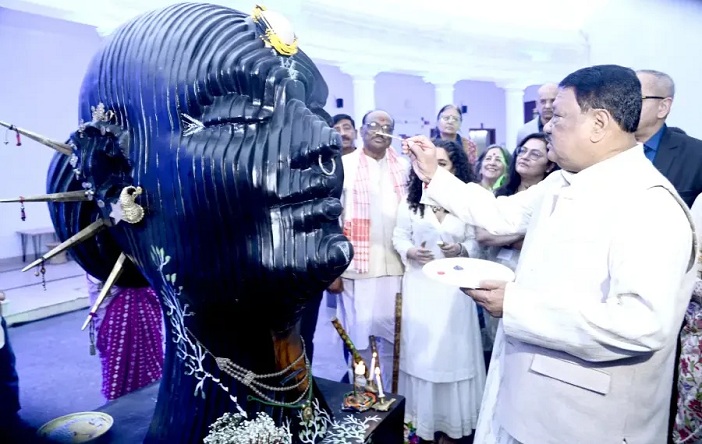
NEW DELHI (India): The Tribes Art Fest (TAF) 2026 opened at the historic Travancore Palace, bringing together more than 75 eminent tribal artists and showcasing nearly 1,000 artworks spanning around 30 distinct indigenous art traditions from across India. The 12-day festival, inaugurated on March 2 and open to the public from March 3 to March 13, aims to put the spotlight on tribal creativity, strengthen cultural recognition and build sustainable market opportunities for tribal artists.
Organized by India’s Ministry of Tribal Affairs in collaboration with the Federation of Indian Chambers of Commerce and Industry (FICCI) and the National Gallery of Modern Art (NGMA), the festival features an array of exhibitions, live painting demonstrations, walk-throughs, panel discussions, interactive workshops, artist-student mentorship sessions and daily cultural performances rooted in traditional music and dance. The event is designed to bridge heritage with contemporary platforms and connect tribal artists directly with buyers, galleries, corporate partners and cultural institutions.
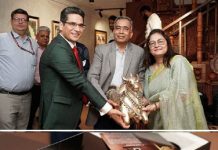
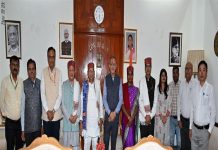
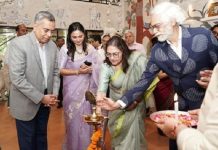
India’s Minister for Tribal Affairs Jual Oram inaugurated the festival, reaffirming the government’s commitment to preserving tribal heritage alongside structured socio-economic empowerment of indigenous communities. The minister outlined the ministry’s integrated approach to tribal empowerment, linking cultural preservation with livelihood enhancement and stronger market linkages for tribal art forms. He emphasized that events like the Tribes Art Fest go beyond symbolic celebration by facilitating structured marketplaces and exposure that can translate cultural heritage into sustainable livelihoods for tribal artists.
The diverse range of art on display includes traditional and contemporary expressions from Warli (Maharashtra), Gond (Madhya Pradesh), Bhil (Madhya Pradesh, Rajasthan, Gujarat), Dokra (West Bengal, Odisha, Chhattisgarh), Sohrai (Jharkhand), Koya (Telangana, Andhra Pradesh), Kurumba (Tamil Nadu), Saura (Odisha), Bodo (Assam and North-East), Oraon (Jharkhand, Chhattisgarh) and Mandana (Rajasthan, Madhya Pradesh) among others. Works in textile art, sculpture, craft and fine arts reflect both regional diversity and centuries‑old cultural continuity. The festival also highlights bamboo crafts from North‑East India and other unique tribal art practices.
In addition to art exhibitions, the festival hosts discussions on themes such as Tribal Art Revival and Sustainable Futures, Tribal Art in Contemporary Spaces and Livelihoods and Market Linkages, providing a platform for in-depth dialogue on pathways from heritage practice to economic resilience. Participatory workshops, storytelling through tribal art and live demonstrations engage visitors in the creative processes and deepen appreciation for indigenous traditions.
Over 100 tribal students pursuing art from different parts of India are participating in walk-throughs and mentorship sessions with senior artists, enabling knowledge transfer and professional exposure. A special program will be held on International Women’s Day to focus leadership and entrepreneurship among tribal women artists, further underscoring the festival’s commitment to inclusivity and community participation, including sessions for persons with special needs.
The Ministry envisions that the Tribes Art Fest will enhance national and international visibility for tribal art, strengthen livelihood opportunities through direct market access and position indigenous art as a dignified and sustainable pillar of India’s creative economy. The festival aligns with the Government of India’s broader vision of inclusive growth, cultural preservation and economic empowerment of tribal communities.
Click here to follow our WhatsApp channel and get instant updates