Peace Brigades International-Canada has published an article reporting that Indigenous land defenders in Nevada opposing a Canadian-linked lithium mining project are being surveilled by the FBI and other agencies. The article focuses on the conflict over the Thacker Pass lithium mine — a large extraction project in northern Nevada — and how opposition from tribal and environmental groups has drawn sustained attention from U.S. law enforcement and private security.
The Thacker Pass project is being developed by Lithium Americas, a mining company with Canadian headquarters, through its U.S. subsidiary Lithium Nevada Corporation. The project has received significant federal support, including investments by the U.S. Department of Energy and partnerships with major corporations such as General Motors. Those backing the mine argue it will advance critical mineral production for electric vehicles and other technologies.
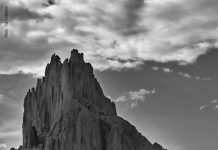
However, many Indigenous peoples and land defenders view the project as a violation of their rights and a threat to sacred and ancestral lands. The area, known by Indigenous groups as Peehee Mu’huh, lies in the traditional territories of tribes including the Paiute, Shoshone, and Bannock. Critics say the mine limits their ability to access and practice cultural traditions on their land and creates long-term environmental risks, especially in one of the driest parts of the United States. Human Rights Watch has also documented concerns that the mine violates international rights standards for Indigenous peoples.
According to reporting cited in the article, law enforcement agencies, including the FBI, have monitored protesters for years. Surveillance reportedly involved tracking social media activity and gathering real-time video evidence at protest sites. In 2022, an FBI Joint Terrorism Task Force in Reno reportedly met with a specific focus on opposition to the Thacker Pass project, underscoring how seriously authorities have treated the protests. The mining company also retained a former FBI counterterrorism agent to help develop its security plan.
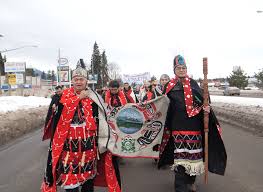
People opposing the mine describe the surveillance as intrusive and unjustified. Members of groups like People of Red Mountain — which represents descendants of the tribal communities whose territory is impacted — say they are often treated as if they are domestic terrorists, even though their activities consist of peaceful ceremony, prayer rides, and public protest. Organizers like Ka’ila Farrell-Smith and Chanda Callao have publicly shared their concerns that federal agencies monitor cultural events and traditional practices.
The article also mentions social and safety concerns tied to the mining project’s workforce, often referred to as “man camps,” which some community members say pose risks to local Indigenous women and children. Civil liberties organizations, including the ACLU, have noted documented instances where extractive industry operations correlate with increased violence against women in affected regions.
Overall, the report highlights the tension between the U.S. push for lithium and critical minerals to support clean energy transitions and the longstanding Indigenous struggles to protect their lands, rights, and cultural heritage from extraction-driven displacement.