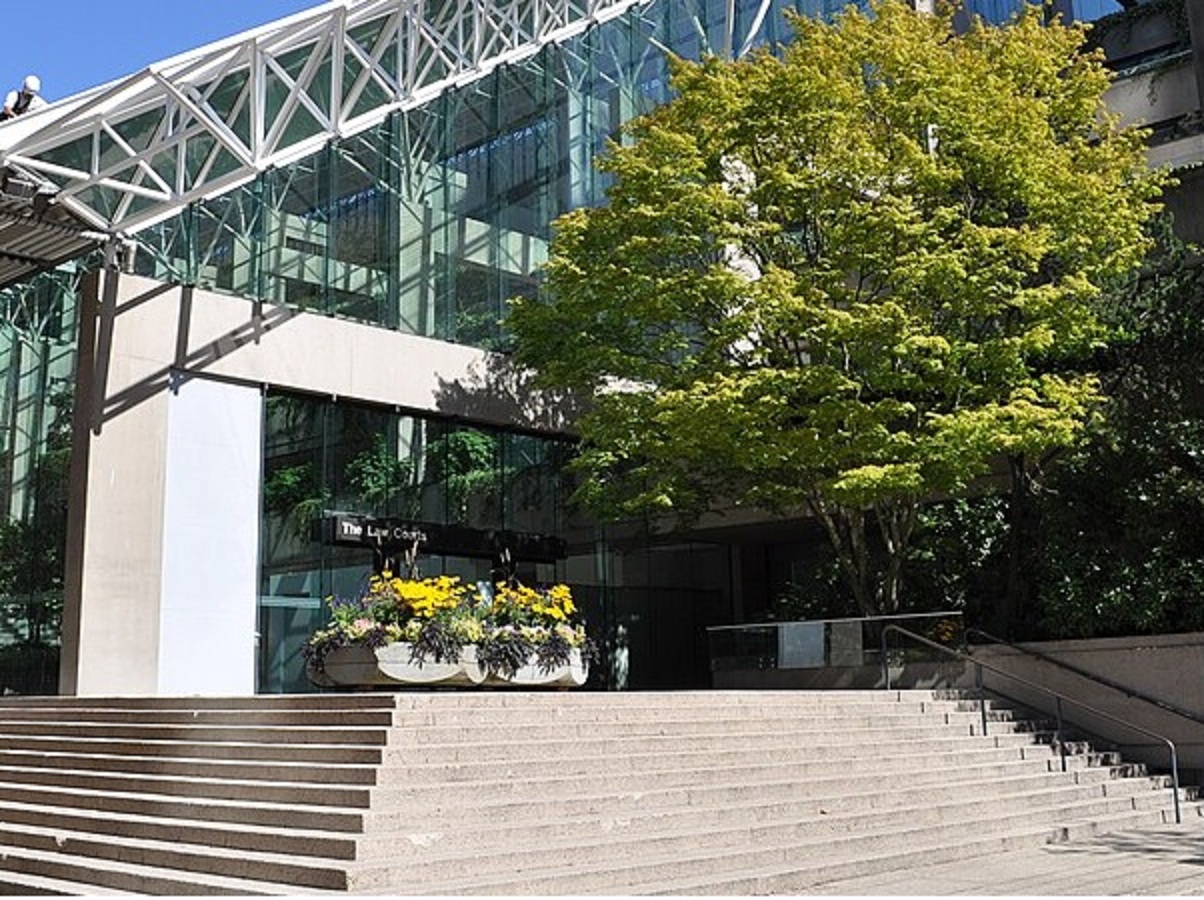
RICHMOND (Canada): In a significant ruling, the Supreme Court of British Columbia in Canada has recognized Indigenous land rights over privately held land. The ruling granted the Cowichan Tribes Aboriginal title to roughly 730–800 acres in Richmond, including land containing golf courses, homes and commercial developments, and stated that their title is senior and prior to the interests of the British Crown.
The decision has triggered widespread legal and economic uncertainty across the real estate market in the province. The judgment does not immediately cancel existing private deeds, but it establishes that government-issued fee simple titles may be constitutionally vulnerable if they infringe on pre-existing Indigenous title. This creates overlapping claims that have little precedent in Canadian law. Both the British Columbia and federal governments have appealed the decision and are seeking a stay while higher courts review the case.
The ruling has unsettled one of Canada’s most expensive property markets. Real estate transactions in the affected area have slowed, some sales have been withdrawn and lenders are reassessing risk. Industry observers say banks may require additional guarantees or refuse financing until legal clarity is restored.
Premier David Eby has warned that the decision threatens economic stability and said the province will work to protect homeowners and investors. Opposition politicians have called for stronger assurances of private property rights, while municipal officials in Richmond have alerted residents that their ownership status could be affected.
The case reflects a broader unresolved issue in British Columbia, where most land was never covered by historic treaties and Indigenous title claims remain outstanding. Previous Supreme Court of Canada rulings have affirmed that Indigenous title exists where Indigenous peoples can demonstrate historic occupation, setting the legal foundation for the current dispute. The decision has intensified debate over how Indigenous land rights can coexist with private property under Canada’s constitutional framework, raising questions with implications far beyond British Columbia’s borders.
Click here to follow our WhatsApp channel and get instant updates