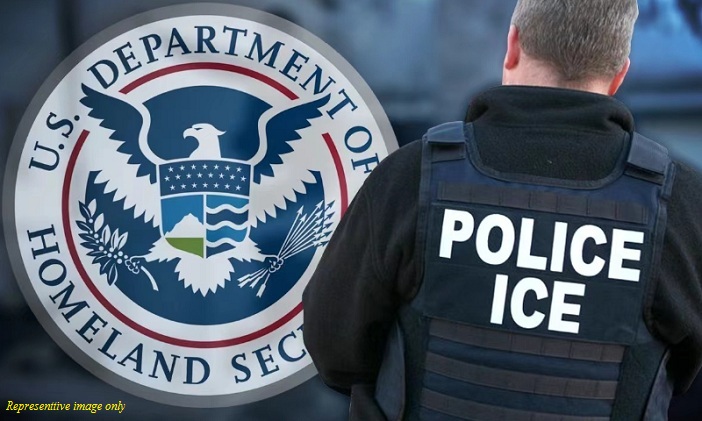
WINDOW ROCK (Arizona, United States): The Navajo Nation Council has formally called on the United States Department of Homeland Security (DHS) and US Immigration and Customs Enforcement (ICE) to officially recognize tribal identification cards as valid forms of identification for Native Americans.
The demand was made in a resolution passed unanimously by the Navajo Nation Council in a direct response to the challenges faced by tribal members when interacting with federal agencies, particularly in situations involving immigration enforcement. Tribal leaders argue that recognizing these identification cards would affirm the sovereignty of Native American nations and ensure that their citizens are treated with dignity and respect. The resolution passed by the council calls on DHS and ICE to acknowledge tribal IDs as legitimate documents in the same way they recognize state-issued IDs or passports.
The resolution, passed here earlier this week, emphasizes the long-standing history of tribal nations in the US and their right to determine the legal status of their members. Tribal identification cards, which are issued by individual Native American nations, serve as proof of identity, membership and citizenship for individuals who belong to those tribes. However, tribal members have reported frequent issues when presenting these IDs to federal agencies, especially in situations where they are detained or questioned by ICE agents. The lack of recognition of tribal IDs has led to confusion, delays, and, in some cases, unjust treatment of Native American citizens.
The Navajo Nation, the largest Native American reservation in the US, represents a significant portion of the broader Native American population. This is part of a broader movement by Native American leaders across the country to ensure that their communities are treated equally and fairly within the framework of federal law.
For years, tribal nations have been advocating for greater recognition of their sovereignty and the rights of their citizens. One of the central issues in these efforts has been the recognition of tribal IDs as valid identification. Many Native American leaders believe that failure to recognize these IDs reflects a broader pattern of disrespect and misunderstanding of Native American communities and their legal standing within the U.S. This issue is particularly pressing given the increasing number of immigration enforcement actions taking place in communities with significant Native American populations.
The Navajo Nation Council’s resolution aligns with broader advocacy efforts by various tribal groups. In recent years, tribes such as the Cherokee Nation and the Lumbee Tribe have taken steps to assert the validity of their tribal IDs, seeking support from both the federal government and state agencies to recognize them as official identification documents.
DHS and ICE have yet to make a public statement in response to the council’s resolution. However, advocates are hopeful that this push from one of the largest tribal nations in the country will prompt the agencies to reconsider their stance and take meaningful steps toward recognizing tribal identification as a valid form of ID in all contexts, including interactions with law enforcement and immigration authorities.
Click here to follow our WhatsApp channel and get instant updates