RENO (Nevada, United States): The Washoe Tribe of Nevada and California in the United States has purchased more than 10,000 acres of ancestral homeland northeast of Lake Tahoe in what is one of the largest tribal land returns in the Sierra Nevada and the third largest in the history of California. The purchase was completed by the tribe’s Waší·šiw Land Trust earlier this month. It represents a significant milestone in the tribe’s long-standing effort to reclaim territory lost during centuries of displacement.
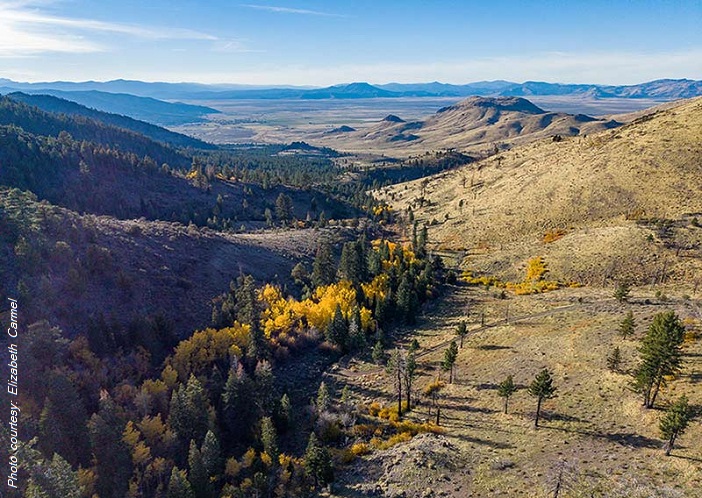
The property, previously known as Loyalton Ranch, lies about 20 miles north of Reno and spans a diverse landscape that stretches from Long Valley in the east to Sierra Valley in the west. Now named the Wélmelti Preserve, the land features sagebrush plains, grasslands, conifer forests, aspen groves and mountain meadows, providing essential habitat for wildlife including pronghorn, mule deer, mountain lions and gray wolves. It also hosts culturally significant plants such as pinyon pine, a traditional food source that suffered extensive wildfire damage in recent years.
The deal cost USD 6 million. The acquisition was made possible through a combination of funding, including a USD 5.5 million grant from the California Wildlife Conservation Board and private donations. Additional contributions helped bring the total raised for the project to roughly USD 6.9 million, covering the bulk of the purchase price and associated planning costs. Tribal officials are now working to raise further funds to support long-term stewardship and future land repatriation efforts.
Washoe Tribal Chairman Serrell Smokey described the land’s return as “good medicine” for the tribe, reflecting decades of efforts to heal from historical trauma caused by forced removal and the loss of traditional homelands during the 19th century. “The Washoe people were first forcefully removed from these lands,” Smokey said, “Individual allotments were stolen. Then we were told we could no longer use the land for resources or ceremony. Since that time the land has been calling us back, and we are answering that call.”
The Waší·šiw Land Trust will manage the preserve. The trust was formed by the Tribal Council in 2025 to accelerate the repatriation of ancestral lands across the traditional Sierra Nevada territory of the Washoe tribe. Tribal leaders have outlined plans to use the land for conservation, cultural revitalization, habitat restoration and educational programs aimed at reconnecting Washoe youth with their heritage, traditional practices and native language.
Environmental and conservation partners played a significant role in the project. The Northern Sierra Partnership and the Feather River Land Trust collaborated with the tribe over four years to secure funding, plan the acquisition and facilitate the transfer. Leaders from these organizations said the effort demonstrates how tribal leadership and conservation goals can align to protect ecologically valuable landscapes while honoring Indigenous stewardship.
The Wélmelti Preserve is expected to remain under permanent conservation. Officials said additional details about development plans and stewardship strategies will be released in the coming months.
The Yurok Tribe acquired about 47,000 acres near the Lower Klamath River last June. The Tule River Tribe regained 14,672 acres of its ancestral land in Tulare County in 2024.
The Washoe Tribe was forcibly displaced from their ancestral lands around Lake Tahoe due to a combination of 19th-century colonization, settler expansion and resource exploitation. The California and Nevada Gold Rushes brought a flood of miners who claimed and fenced off territory, while government treaties promising land protections were ignored or never ratified. Large-scale ranching, logging and later tourism development further restricted access to hunting, fishing and sacred sites. This displacement severed the Washoe people from their cultural, spiritual and ecological roots, creating lasting social and economic hardship.
In the United States, many Native American tribes lost vast portions of their ancestral lands during the 18th and 19th centuries through warfare, forced removals, broken treaties, and federal policies favoring settlement and resource extraction. Laws such as the 1887 Dawes Act fragmented tribal territories, while later development projects further reduced Indigenous landholdings. In recent decades, a growing “land return” or “land back” movement has sought to restore lands to tribal ownership through purchases, federal transfers, conservation partnerships or legal settlements. These efforts aim not only to correct historical injustices but also to support cultural revitalization, environmental stewardship, and tribal self-determination.
Click here to follow our WhatsApp channel and get instant updates