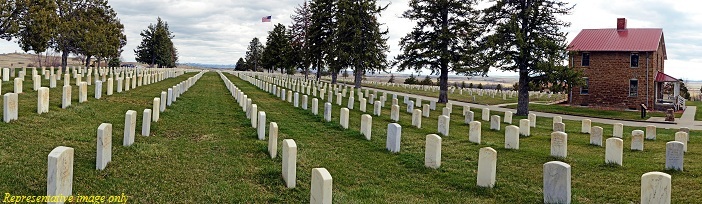
LAME DEER (Montana, United States): The Northern Cheyenne Tribe has formally opposed a federal initiative that could result in altering or removing interpretive displays honoring Native Americans at the Little Bighorn Battlefield National Monument. The tribe’s council voted unanimously to adopt a resolution opposing any changes to signs, markers, monuments and exhibits that recognize the role of Indigenous warriors and the history of the 1876 battle.
Tribal leaders contend that the proposed revisions run counter to federal law and Montana’s constitutional protections for American Indian cultural integrity, and they are seeking consultations with government representatives to prevent alterations they view as harmful.
In a press release, the Northern Cheyenne Tribal Council cited law that officially designates the site as Little Bighorn Battlefield National Monument and authorizes the Indian Memorial there. Tribal officials also cited provisions of the Montana Constitution, which mandates the state to preserve American Indian cultural heritage and educational goals. The council’s action directs tribal leaders to work with the Montana congressional delegation and federal agencies to oppose any adverse changes to Native American recognition at the site.
The dispute centers on a federal directive under the Donald Trump administration that has led to two exhibits at the monument being flagged as non‑compliant with a broader effort to review historical narratives at national parks. These exhibits include signage that discusses broken treaties and references to the loss of Indigenous culture and language through boarding school systems. Northern Cheyenne leaders argue that removing or substantially revising these displays would erase pivotal aspects of Native history and deny the public a full understanding of the battle and its legacy.
“As the victors, our story needs to be told and preserved,” said Wallace Bearchum, chairman of the Northern Cheyenne Cultural Commission, emphasizing the tribe’s commitment to maintaining a truthful narrative at the battlefield. Tribal vice president Ernest Littlemouth said the signage and exhibits reflect years of consultation with the National Park Service and are essential for educating both tribal youth and the public about the tribe’s role in the historic conflict.
The Battle of Little Bighorn, fought on June 25, 1876, was a decisive engagement in which the United States Army’s 7th Cavalry, commanded by Lieutenant Colonel George Armstrong Custer, attacked encampments of allied Cheyenne and Lakota tribes along the Little Bighorn River. The Native warriors successfully defended their homes and communities, resulting in one of the most significant Indigenous victories during the era of US westward expansion. For the Northern Cheyenne and other tribes involved, the site is not just a historic battlefield but a symbol of resistance and survival. The battle was the most significant action of the Great Sioux War of 1876. The cause of the war was the design of the US government to obtain ownership of the Black Hills, an isolated mountain range in North America, where gold had been discovered and settlers had begun to encroach upon Native American lands.
The tribe’s resolution also authorizes outreach to members of the Montana delegation, including senators and representatives, urging their intervention to safeguard Native American interpretation at the monument ahead of the 150th anniversary of the battle this summer. Tribal officials said they were disappointed to learn of the potential changes through media reports rather than direct consultation, given years of collaborative work on the monument’s interpretive content.
Federal officials have said that the review of interpretive materials at national parks, including Little Bighorn, is part of a routine process to ensure historical accuracy and present broader contexts. They maintain that some changes may be made to provide fuller accounts of American history, while other materials may remain unchanged. Nonetheless, the Northern Cheyenne and their supporters are prepared to continue advocating for what they call an honest and complete representation of Indigenous experiences and contributions at Little Bighorn Battlefield National Monument.
Click here to follow our WhatsApp channel and get instant updates