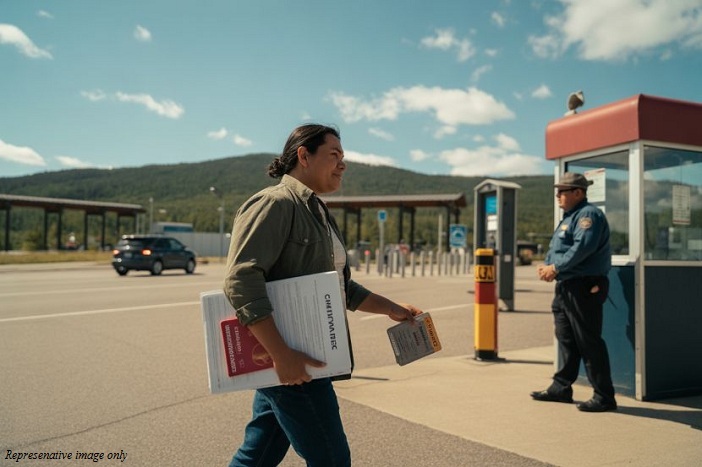
OTTAWA (Canada): Indigenous leaders across Canada have issued travel warnings for First Nations citizens planning to cross into the United States (US), citing a rise in questioning and detentions at border checkpoints. The advisories come amid reports that US immigration authorities are subjecting Indigenous travelers to heightened scrutiny, particularly when presenting tribal identity documents at northern border crossings.
First Nations groups, including the Assembly of First Nations (AFN), and regional councils, are urging members to prepare for more stringent inspections and to carry comprehensive identification to avoid delays or detainment.
Indigenous communities say that routine crossings, historically facilitated by the Jay Treaty of 1794, which was designed to guarantee free movement across the US-Canada border for Indigenous peoples, are now marred by confusion and inconsistency in how US officials recognize identity credentials. Reports from Island First Nation members and others indicate that US Immigration and Customs Enforcement (ICE) and other border personnel have intensified questioning, particularly when Canadian Indian Status Cards or tribal documents are presented without supplemental proof of citizenship.
In response, First Nations advisories recommend that travelers carry multiple types of documents, including a valid Canadian passport, long-form birth certificate and Indian Status Card. The long-form birth certificate is being emphasized as particularly critical, as Indigenous status cards have reportedly been overlooked or not fully accepted by US officers at some crossings. Some communities also suggest travelers bring letters confirming treaty rights or Indigenous identity, and to be prepared for longer wait times and detailed questioning at ports of entry.
The situation has triggered concerns within Indigenous leadership about the broader implications for cross-border rights. The Jay Treaty, signed more than two centuries ago, has never been fully codified in US immigration law, leading to ambiguity in enforcement and the rights of First Nations people who live and travel on both sides of the border. Indigenous advocates argue that the lack of formal recognition of treaty rights in U.S. border procedures contributes to the current challenges faced by travelers.
While the Government of Canada’s official travel guidelines for Americans heading south do not single out Indigenous travelers for special warnings, they do recommend standard identification such as passports, NEXUS cards, or Secure Certificates of Indian Status for all Canadians entering the US. The warnings only highlight longstanding tensions related to cross-border movement for Indigenous peoples and broader diplomatic discussions about how border policies intersect with historical agreements.
Click here to follow our WhatsApp channel and get instant updates