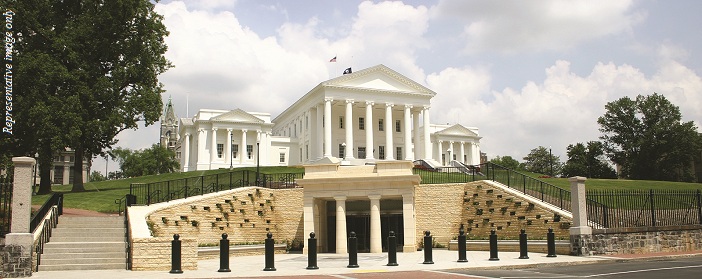
RICHMOND (Virginia, United States): Legislators in Virginia in the United States and representatives of several Native American tribes have introduced a set of proposals at the ongoing legislative session that are aimed at confronting longstanding injustices rooted in discriminatory state policies from the early 20th century. The measures are intended to remove educational barriers and strengthen tribal sovereignty after decades of marginalization and legal exclusion.
At the core of the legislative effort is recognition of the enduring impact of the Racial Integrity Act of 1924, a state law that enforced rigid racial classifications and effectively erased Native American identity from official records for much of the 20th century. This has hindered access for Native Americans to education and legal rights.
Tribal leaders and legislators highlighted that under the Act’s stringent definitions, Native children were often barred from attending schools beyond the lowest grades, forcing many families to seek education outside Virginia. The law’s legacy has complicated efforts by tribes to document lineage, assert identity and pursue educational and cultural initiatives. Though the Act was overturned by the US Supreme Court in 1967, its effects are still felt in tribal communities, which struggled for decades to achieve federal recognition and access to associated benefits.
The legislative package includes proposals to allow students who are members of federally recognized tribes to qualify for in-state tuition regardless of residence, an effort to expand educational access and lower financial barriers for Native students. Lawmakers also seek to revise state education codes to remove remnants of discriminatory classifications and ensure tribal histories and cultures are accurately represented in curricula. In addition to educational reforms, bills before the General Assembly would clarify and affirm government-to-government relationships between Virginia and its tribal nations. This includes codifying state consultation requirements on matters affecting tribal interests and bolstering recognition of tribal sovereignty within state law.
Tribal chiefs and advocates emphasized that these reforms are long overdue and reflect a broader movement to restore rights and dignity to Indigenous communities in the commonwealth. Federally recognized tribes in Virginia, including the Nansemond and others that gained recognition under the 2018 Thomasina E. Jordan Indian Tribes of Virginia Federal Recognition Act, have worked for years to build infrastructure, preserve cultural heritage and improve economic opportunities. Federal recognition made tribes eligible for direct funding and programs that had previously been inaccessible, underscoring the importance of legal and policy recognition at both state and national levels.
Last year, separate state legislation aimed at standardizing tribal-state relations passed the General Assembly and was forwarded to the governor, signaling growing bipartisan acknowledgment of tribal concerns. Critics have raised questions about the cost and scope of proposed tuition benefits, and about how expanded tribal authority might interact with existing state jurisdictions. However, proponents maintain that addressing historic wrongs and fostering equitable opportunities for Native Americans aligns with broader state efforts to confront systemic discrimination.
Click here to follow our WhatsApp channel and get instant updates