NUUK (Greenland): “There is no such thing as a better colonizer.” This one single statement represents the strong opposition that Indigenous people in Greenland over the renewed interest of United States President Donald Trump in acquiring or exercising control over the Arctic island. It underscores the deep-rooted resistance to external control of the land, which has still not gained full independence from the power that had colonized it earlier.
The statement reflects widespread Inuit concerns that the geopolitical tussle over Greenland’s strategic position and natural resources threatens their autonomy and cultural heritage, and may pave the way for another era of colonization, either explicit or implicit. It underlines the fact that colonization can only cause harm irrespective of which power does it.
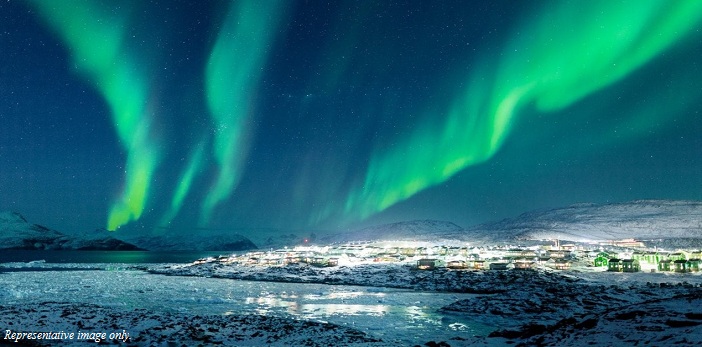
Greenland is a self-governing territory within the Kingdom of Denmark with an overwhelming majority Indigenous Inuit population. For a long time, it has long sought to manage its own affairs while navigating its complex ties with Denmark and countries. In recent weeks, Trump’s has publicly remarked about his interest in acquiring or asserting control over Greenland, citing US national security and strategic advantages in the Arctic. His statements have reignited debates about sovereignty and self-determination among Arctic communities and Indigenous groups across the circumpolar region.
Inuit advocacy leaders have voiced sharp criticism of the rhetoric emanating from Washington, portraying it as a throwback to centuries of colonial interference that have marginalized Indigenous voices. They argue that discussion about control or purchase of Greenland disregard the political status and rights of its people, sidelining the very communities most affected by decisions about the island’s future.
Inuit organizations in Canada, Alaska and Greenland have staged demonstrations against Trump’s statements, presenting a unified front against what they perceive as external powers treating Greenland as a geopolitical pawn rather than a self-determining homeland. Protesters and commentators have earlier stressed that Greenland is “not for sale,” and lamented the portrayal of their homeland as a commodity to be acquired for strategic gain.
Greenland was earlier colonized by Denmark at the beginning of the 18th century. Although Greenland achieved home rule in 1979 and expanded autonomy after that, it is not complete independence since Denmark retains authority over foreign affairs and defense. This delicate political arrangement has allowed Greenland to develop its institutions and pursue economic opportunities, even as it continues to explore pathways toward full independence. Trump’s statements about acquiring the island, therefore, touches a very raw nerve in Greenland, it is not yet completely independent from Denmark. The current tensions have accelerated discussions about independence and galvanized support among many Greenlanders for greater self-determination.
Strategic interest in Greenland has been fueled by its location along crucial Arctic shipping routes increasingly accessible due to climate change and its wealth of natural resources, including rare earth minerals and hydrocarbons. Arctic warming has not only intensified global competition for resources but also heightened military and security considerations among major powers, with the US, Russia and China all expanding their presence and interests in the region.
Indigenous critics argue that these geopolitical dynamics compound longstanding challenges for Inuit communities, who emphasize stewardship of the land and sustainable practices rooted in centuries of cultural tradition. They warn that prioritizing extractive interests or military objectives could jeopardize fragile ecosystems and undermine the social fabric of Arctic societies.
In response to the growing controversy, Greenlandic officials have reiterated their commitment to determining their own future, engaging in international dialogue while guarding their autonomy. Canadian and Alaskan Indigenous leaders have also expressed solidarity, urging recognition of Inuit rights and meaningful inclusion in any discussions that affect the Arctic.
The debate over Greenland’s place in global geopolitics has thus become a flash-point for broader issues of Indigenous sovereignty, climate change and great-power competition. As world powers continue to assert their strategic interests in the Arctic, Inuit voices remain steadfast in insisting that the fate of Greenland must be decided by its people.
Click here to follow our WhatsApp channel and get instant updates